Areas
Explore Japan's Iconic Destinations
Asakusa
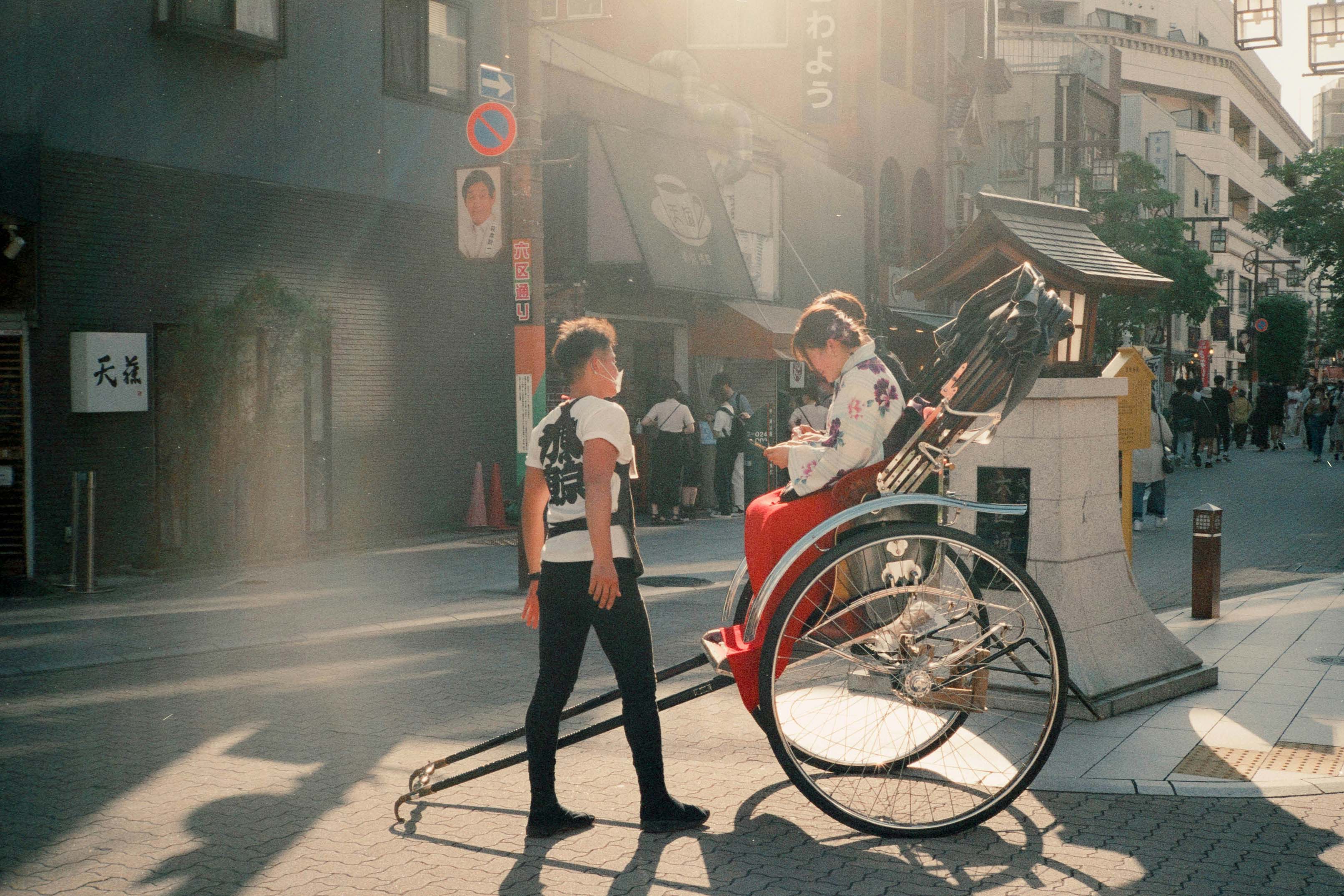
Asakusa is where Tokyo's beating heart meets its ancient soul. The thunderous Kaminarimon gate and its giant crimson lantern have welcomed visitors for centuries, drawing them down the bustling Nakamise-dori shopping street toward the magnificent Senso-ji, Tokyo's oldest Buddhist temple. Incense smoke drifts across the courtyard as pilgrims and travellers pause to pray beneath the soaring five-story pagoda. Beyond the temple grounds, Asakusa reveals layer upon layer of old-town charm — rickshaw rides along quiet backstreets, artisan workshops crafting traditional knives and woodblock prints, and riverside promenades offering postcard-perfect views of Tokyo Skytree across the Sumida River. In the evening, the temple and pagoda glow under golden illumination, casting a spell that few visitors forget.

Shibuya
Shibuya is Tokyo at its most electrifying. Every few minutes, the world's busiest pedestrian crossing erupts as thousands surge across the iconic Scramble Crossing beneath a canyon of luminous billboards. The faithful bronze statue of Hachiko stands watch at the station plaza, one of the city's most beloved meeting points. Yet Shibuya is far more than its famous intersection. The back streets of Nonbeiyokocho harbour intimate izakayas, while Shibuya Stream and Miyashita Park have reimagined the district with open-air terraces, boutique shops, and rooftop green spaces. From cutting-edge fashion in the 109 building to the creative energy of the surrounding Harajuku and Daikanyama neighbourhoods, Shibuya remains the relentless engine of Japanese youth culture.
Shinjuku
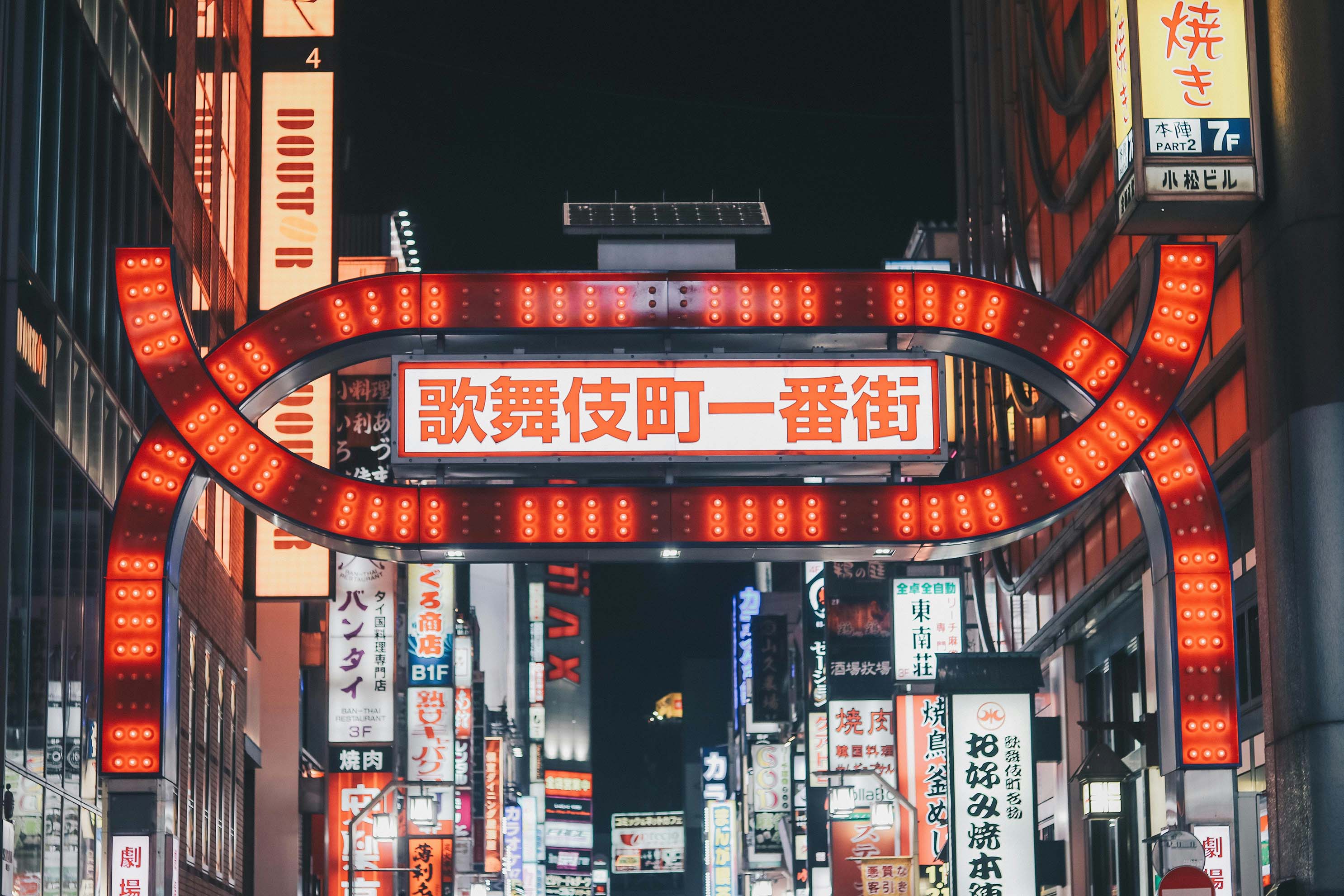
Shinjuku is a district of staggering contrasts. Its western skyline bristles with corporate towers — including the Tokyo Metropolitan Government Building, whose free 45th-floor observatory delivers panoramic city views — while just minutes away, the riotous lanes of Kabukicho blaze with neon and nightlife. Between these extremes lies Shinjuku Gyoen, one of Tokyo's most exquisite gardens, where cherry blossoms, French-formal hedgerows, and a traditional Japanese landscape merge across 58 hectares. After dark, the district reveals yet another face. The miniature alleys of Golden Gai, barely wide enough for two people to pass, house over 200 intimate bars across six narrow lanes. Each seats fewer than a dozen guests, and every door opens onto a different world — jazz, cinema, punk rock, or simply warm conversation with a master bartender.

Akihabara
Akihabara pulses with an energy found nowhere else on earth. Once a postwar black market for radio parts, this district evolved into the global capital of otaku culture, where multi-story electronics emporiums stand alongside anime mega-stores and maid cafés. Wander through Radio Kaikan and Mandarake Complex to discover floors upon floors of figurines, vintage games, and rare collectibles. Beyond the neon-drenched main strip, quieter side streets reward the curious with specialist shops for audiophile equipment, mechanical keyboards, and electronic components. On Sundays, Chuo Dori closes to traffic and transforms into a lively pedestrian boulevard — the perfect moment to absorb the district's singular atmosphere.

Tsukiji & Toyosu
This twin district tells the story of Tokyo's enduring love affair with the sea. The Toyosu Market, a gleaming modern facility on a man-made island, now hosts the world's largest wholesale fish auction — visitors can watch the famed tuna bidding through panoramic observation windows without disturbing the action below. Meanwhile, the original Tsukiji Outer Market thrives as an open-air food paradise, its narrow lanes packed with over 400 stalls and small restaurants. From impossibly fresh sashimi and plump tamagoyaki to grilled scallops eaten standing at the counter, every visit becomes a culinary pilgrimage. Arrive early in the morning when the vendors are at their liveliest and the ingredients are at their peak — this is where Tokyo's top chefs source the fish that will grace the city's finest tables by evening.

Gion
Gion is Kyoto's most evocative quarter, a living tableau of the city's geisha heritage. Lantern-lit streets lined with exquisite wooden machiya townhouses set the stage for fleeting encounters with geiko and maiko as they glide in embroidered silk toward evening engagements. The atmospheric Hanamikoji-dori and the willow-draped canal of Shirakawa are among the most beautiful streetscapes in all of Japan. Beyond its postcard-perfect surface, Gion is home to refined cultural experiences — from exclusive ochaya teahouses where geiko perform dances and pour sake, to tranquil Kennin-ji, Kyoto's oldest Zen temple, where twin dragon ceiling paintings gaze down in silent grandeur. In July, the district becomes the epicentre of Gion Matsuri, one of Japan's three greatest festivals, when towering floats parade through the streets.

Higashiyama
Higashiyama is Kyoto distilled to its purest essence. Climbing the cobbled slopes of Sannenzaka and Ninenzaka, past wooden shopfronts selling Kiyomizu-yaki ceramics and matcha sweets, feels like stepping through a portal into the Edo period. At the summit stands Kiyomizu-dera, its iconic wooden stage jutting over a hillside of cherry and maple trees — a UNESCO World Heritage site that has drawn pilgrims since the year 778. The district rewards slow exploration. Wander south to the vermilion torii gates and moss-covered stone foxes of Fushimi Inari Taisha approach paths, or north through the serene grounds of Kodai-ji to the stone-paved Nene-no-Michi promenade. In every season — blossoms, summer greenery, autumn fire, or a dusting of winter snow — Higashiyama offers one of the most complete traditional Japanese landscapes you will find anywhere.

Arashiyama
Arashiyama casts a spell that lingers long after you leave. The legendary Bamboo Grove — a soaring corridor of emerald stalks swaying and creaking in the breeze — is one of Japan's most photographed sights, yet no image truly captures the otherworldly sensation of walking through it at dawn. Beyond the bamboo, the graceful Togetsukyo Bridge spans the Katsura River against a mountain backdrop that shifts from cherry-blossom pink in spring to fiery maple red in autumn. This western Kyoto district is best explored on foot or by bicycle. Wander through the moss-carpeted garden of Gio-ji, ride the romantic Sagano Scenic Railway through mountain gorges, and pause at hilltop Iwatayama Monkey Park for eye-level encounters with wild macaques and sweeping views over the ancient capital.

Dotonbori & Namba
Dotonbori-Namba is Osaka at its loudest, proudest, and most delicious. The canal-side promenade glows with a kaleidoscope of colossal animated signs — the running man of Glico, the mechanical crab of Kani Doraku, the puffing blowfish of Zuboraya — creating a neon wonderland that has become synonymous with the city itself. Below the signs, the real magic happens at the food stalls and counter-seat restaurants that line every lane. This is the spiritual home of kuidaore — eating until you drop. Crispy takoyaki, sizzling okonomiyaki, skewered kushikatsu dipped in communal sauce — Osaka's soul food is served fast, hot, and with infectious enthusiasm. Venture south into the covered arcades of Namba and the atmospheric lanes of Hozenji Yokocho to discover a quieter, candlelit side of this exuberant district.

Osaka Castle
Osaka Castle stands as a monument to the ambition and drama of Japan's feudal era. Originally built by the warlord Toyotomi Hideyoshi in 1583, the castle's towering white-and-gold keep rises above massive stone walls and broad moats that rank among the largest fortifications ever constructed in the country. Today the reconstructed keep houses an interactive museum tracing Hideyoshi's rise to power and the epic sieges that shaped the nation. The surrounding Osaka Castle Park sprawls across 105 hectares, making it one of the city's most treasured green spaces. In spring, over 600 cherry trees transform the grounds into a blossom-viewing paradise, while the Nishinomaru Garden offers an especially refined vantage point with the illuminated keep as backdrop. Year-round, the park's outer moats, jogging paths, and open lawns provide a peaceful counterpoint to the city's relentless energy.

Sapporo
Sapporo is Hokkaido's vibrant capital, a modern grid-plan city framed by mountains and defined by wide boulevards, abundant green spaces, and a food culture that draws on the island's extraordinary natural bounty. The tree-lined Odori Park, stretching 1.5 kilometres through the city centre, serves as the stage for the world-famous Sapporo Snow Festival each February, when colossal ice sculptures transform the park into an open-air gallery visited by over two million people. Beyond the festival, Sapporo rewards visitors year-round. Summer brings lavender fields and outdoor beer gardens, while winter delivers world-class powder skiing just 40 minutes from downtown. The city's culinary identity revolves around rich miso ramen, fragrant soup curry, and the freshest Hokkaido seafood — best sampled at the bustling Nijo Market or the lively izakayas lining the entertainment district of Susukino, where the night is always young.

Otaru
Otaru is a jewel of Hokkaido's coastline, a former herring-fishing boomtown whose Victorian-era stone warehouses now line a romantic canal that serves as the town's centrepiece. In winter, the Otaru Snow Light Path Festival transforms the waterway into a wonderland of flickering candles set in snow lanterns, while summer brings a gentler charm — sunlight dancing off the canal, cafe terraces open to the sea breeze, and glass-blowing workshops welcoming curious visitors. The town's culinary reputation rivals cities many times its size. Sushi Street (Sushiya-dori) near the station is home to some of Hokkaido's finest sushi counters, where sea urchin, botan shrimp, and glistening salmon roe arrive directly from the morning catch. Beyond food, Otaru's hilltop music-box museum, artisan glassware shops along Sakaimachi-dori, and panoramic views from the harbour breakwater make this seaside town one of Japan's most enchanting day trips.
Hakone
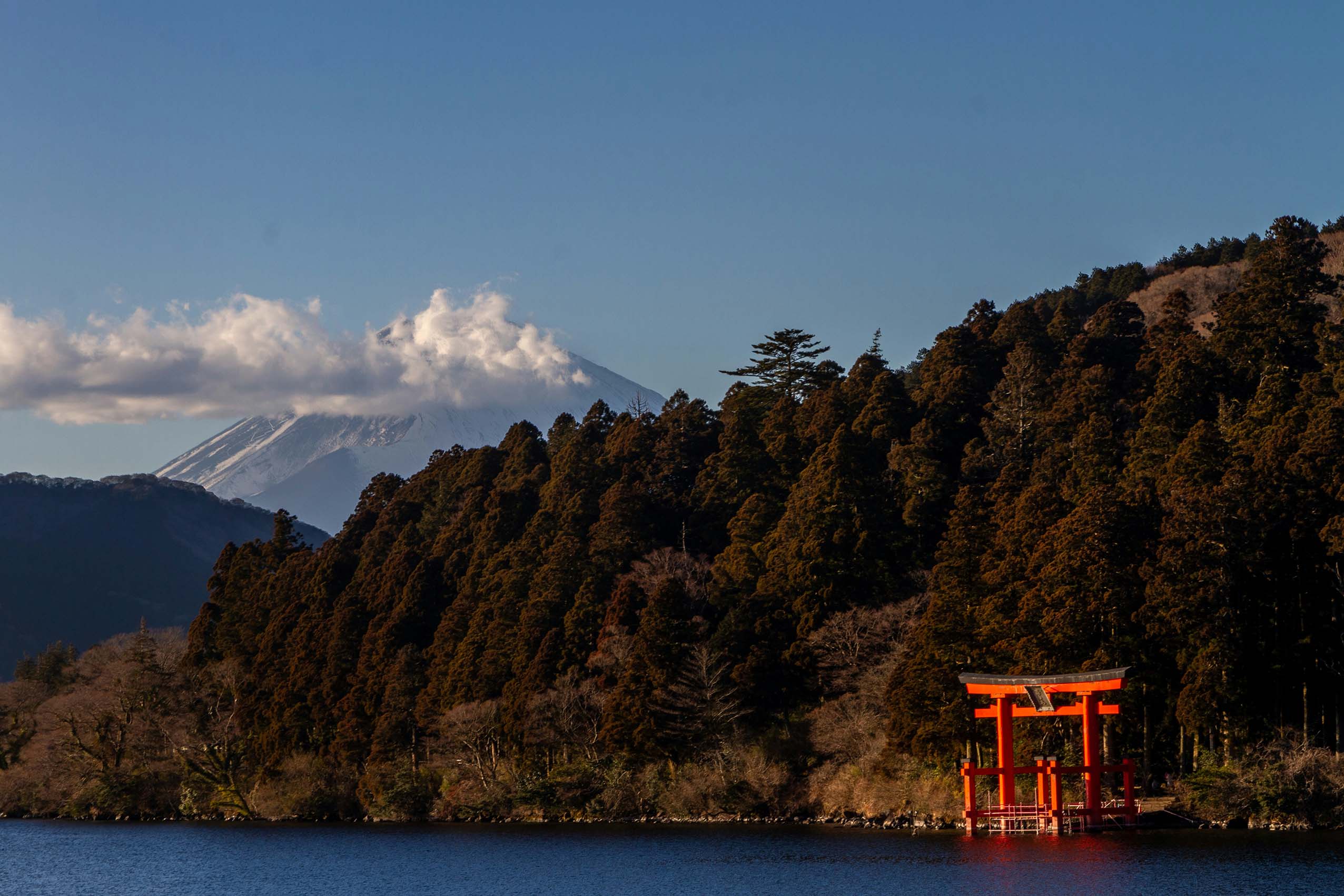
Hakone is a mountainous hot-spring resort town in Kanagawa Prefecture, just 90 minutes from Tokyo by the iconic Romancecar express. Nestled within the caldera of an ancient volcano, the area offers a rich mix of natural wonders — steaming volcanic valleys, serene crater lakes, and forested ridges with views of Mt. Fuji on clear days. The town has been a retreat for weary travellers since the Edo period, when it served as a checkpoint on the old Tokaido highway. Today Hakone blends tradition with world-class art and relaxation. Soak in an open-air onsen overlooking misty mountains, ride the aerial ropeway over the sulphurous Owakudani valley, or cruise Lake Ashi on a replica pirate ship. The Hakone Free Pass makes exploring by train, bus, cable car, and boat remarkably simple and affordable.
Ueno
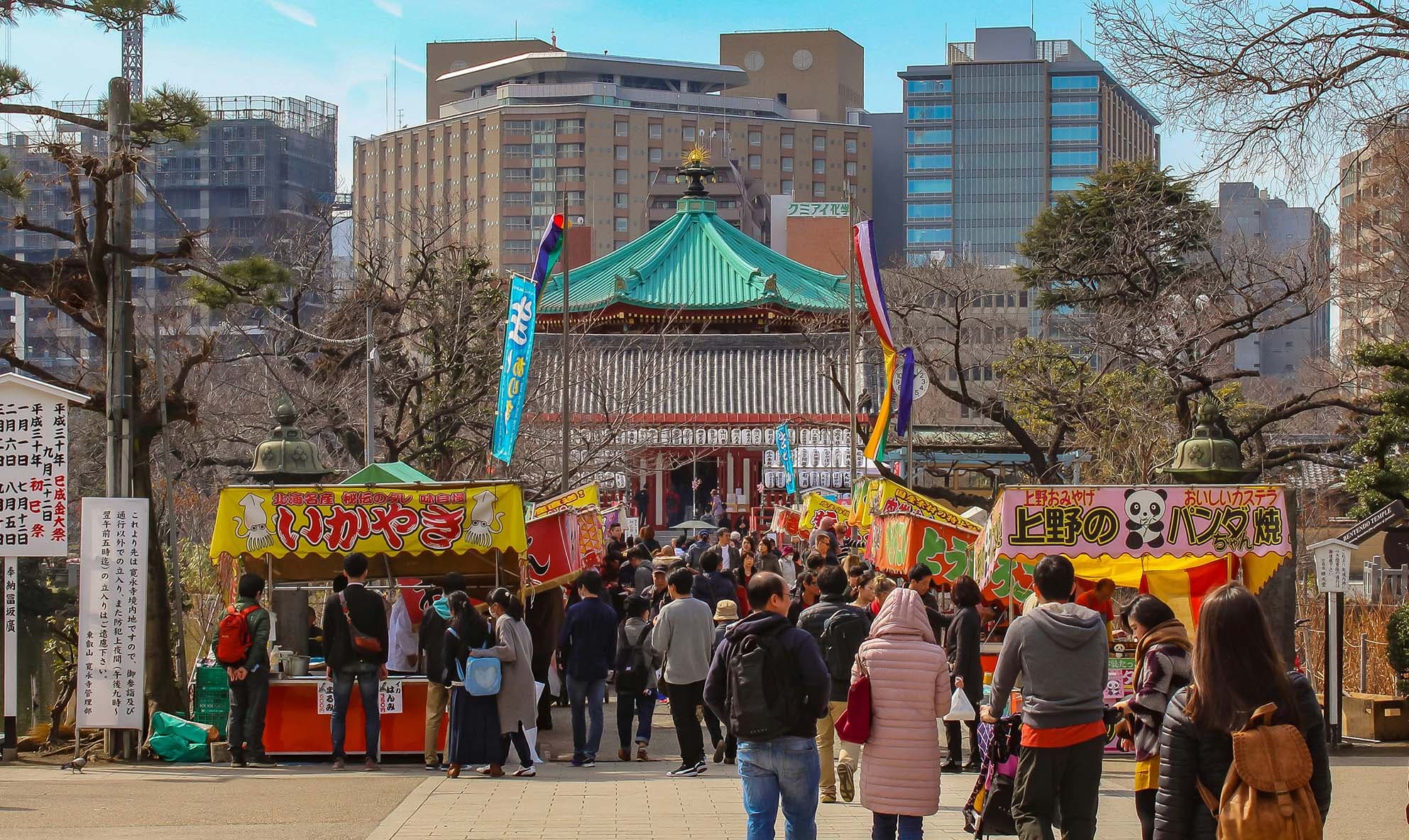
Ueno is Tokyo's cultural powerhouse — a district where world-class museums, a sprawling urban park, and one of the city's liveliest street markets coexist in a uniquely layered atmosphere. Ueno Park, established in 1873 as Japan's first public park, shelters the Tokyo National Museum, the National Museum of Western Art (a Le Corbusier UNESCO site), a zoo, temples, and a shinobazu pond covered in lotus blossoms each summer. Just south of the park, the bustling Ameyoko market stretches beneath the JR tracks — a sensory avalanche of fresh seafood, dried goods, discount cosmetics, and street food where vendors call out in rapid-fire Japanese. Ueno retains the energy of old shitamachi Tokyo, making it one of the most authentic and rewarding areas to explore on foot.
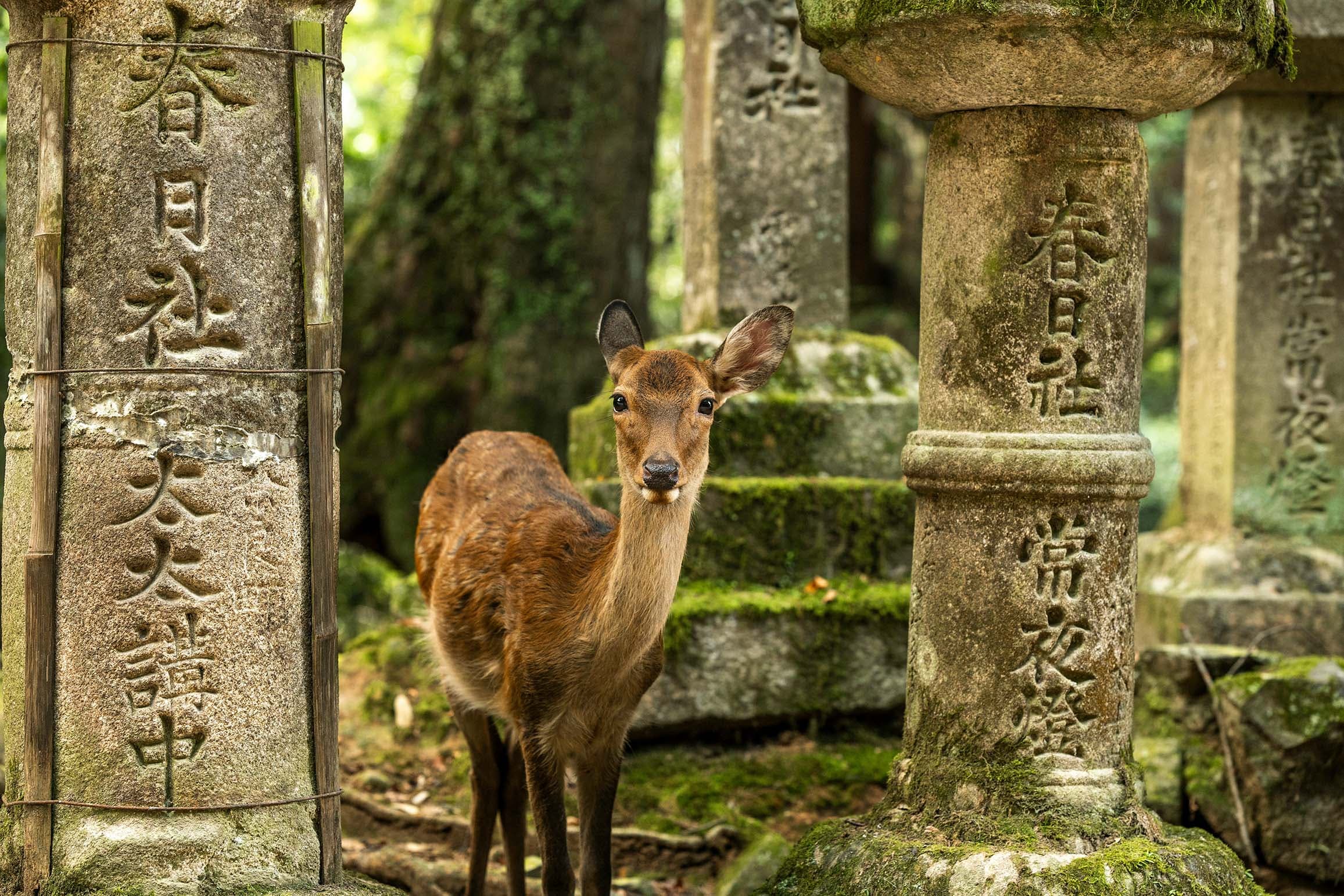
Nara Park
Nara Park is a vast, open parkland in Japan's first permanent capital, where over 1,200 wild deer roam freely among ancient temples, shrines, and manicured lawns. Designated a national natural monument, these sacred deer have been regarded as divine messengers for over a millennium and will bow politely if you offer them the special shika-senbei deer crackers sold throughout the park. The park connects several of Japan's most significant cultural sites within walking distance: the colossal Great Buddha at Todai-ji, the lantern-lined pathways of Kasuga Taisha, and the landscaped gardens of Isuien. As an easy day trip from Kyoto or Osaka (both under 50 minutes by train), Nara offers a uniquely intimate encounter with Japan's ancient past — minus the overwhelming crowds of its larger neighbours.
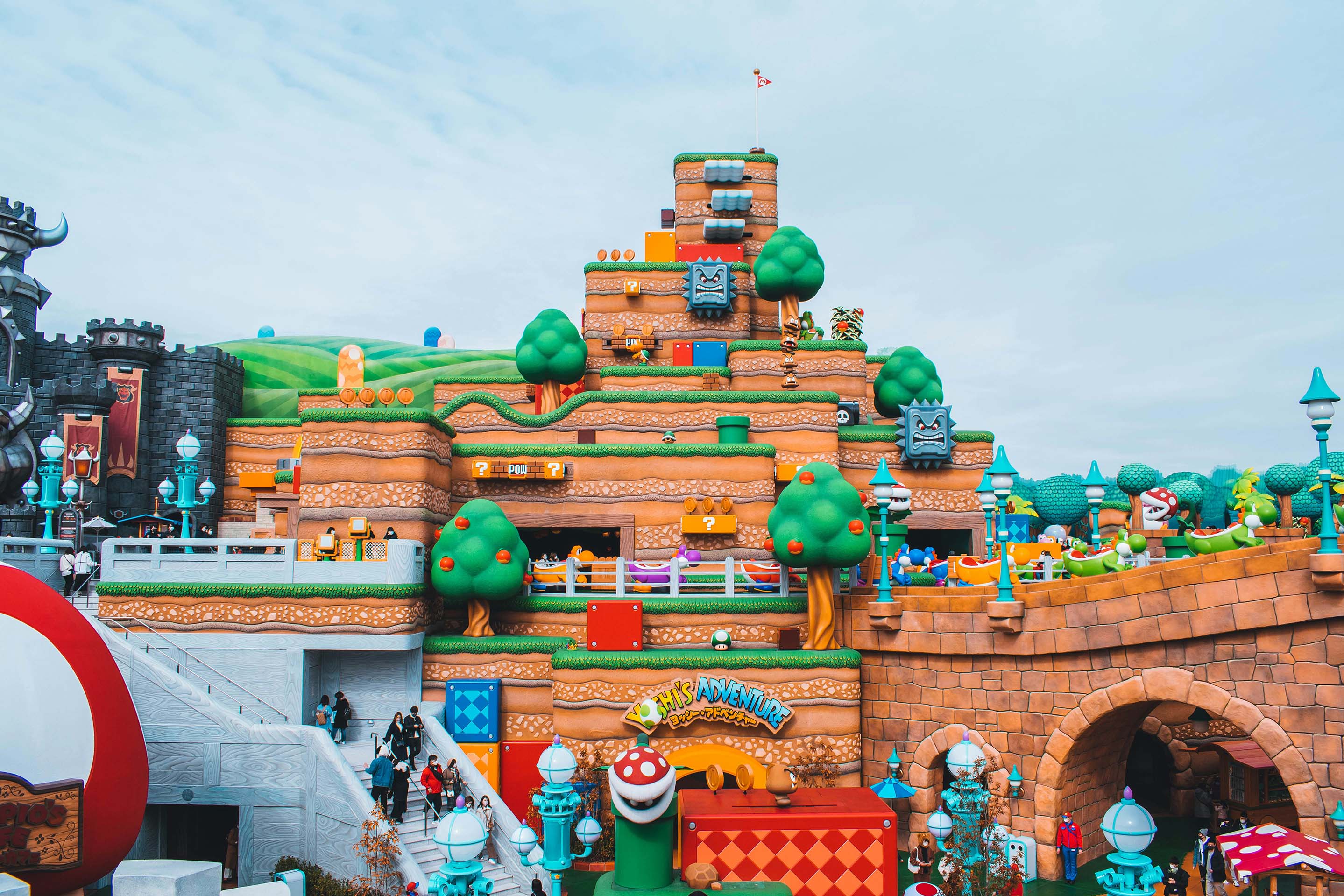
USJ & Bay Area
Osaka's Bay Area is the city's entertainment waterfront, anchored by Universal Studios Japan — one of only four Universal theme parks in the world. Since opening in 2001, USJ has evolved from a movie-themed park into a pop-culture powerhouse, with lands dedicated to Super Nintendo World, the Wizarding World of Harry Potter, and seasonal events that draw millions of visitors annually. Beyond USJ, the bay offers Kaiyukan, one of the world's largest aquariums, and the Tempozan Marketplace with its giant Ferris wheel overlooking Osaka Bay. The area is easily accessible from central Osaka and makes a perfect full-day excursion that balances thrills with more relaxed waterfront exploration.
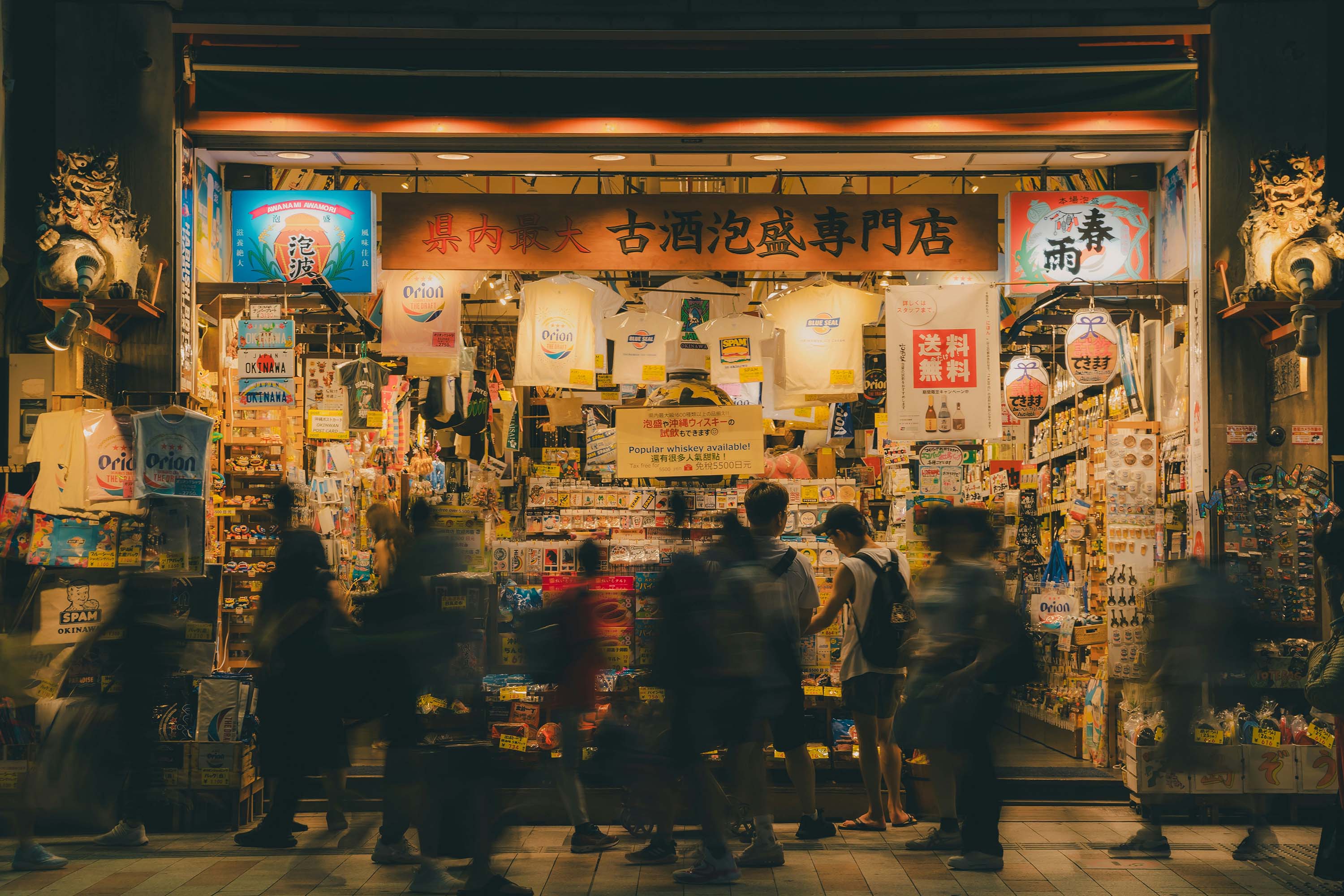
Okinawa & Naha
Okinawa is Japan's southernmost prefecture, renowned for its emerald seas, white-sand beaches, and the unique Ryukyu culture that developed independently from mainland Japan for centuries. The capital city Naha is home to Shuri Castle, the restored palace of the Ryukyu Kingdom, and the vibrant Kokusai Street lined with shops and restaurants. A short trip north leads to the world-class Churaumi Aquarium. The subtropical climate, distinctive cuisine (goya champuru, soki soba), and warm hospitality make Okinawa unlike anywhere else in Japan.
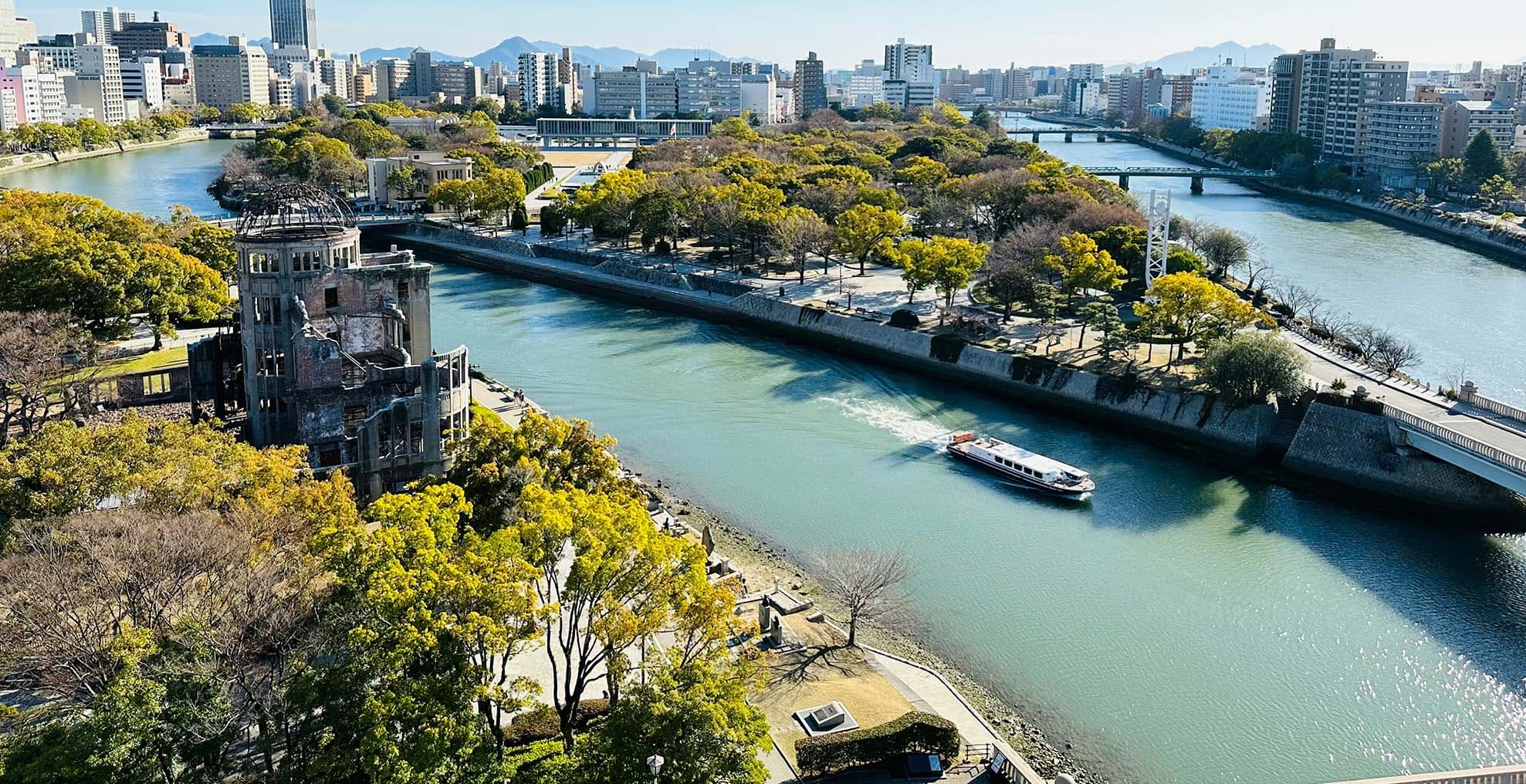
Hiroshima & Miyajima
Hiroshima is known worldwide as a symbol of peace — the Atomic Bomb Dome and Peace Memorial Park stand as powerful reminders of August 6, 1945, while the city itself has been reborn as a vibrant, forward-looking metropolis famous for its signature Hiroshima-style okonomiyaki. A short ferry ride away, Miyajima Island enchants visitors with the iconic vermilion torii gate of Itsukushima Shrine appearing to float on the sea at high tide. Together, Hiroshima and Miyajima offer a profound blend of history, spirituality, nature, and cuisine that makes this one of Japan's most essential destinations.
Niseko & Furano
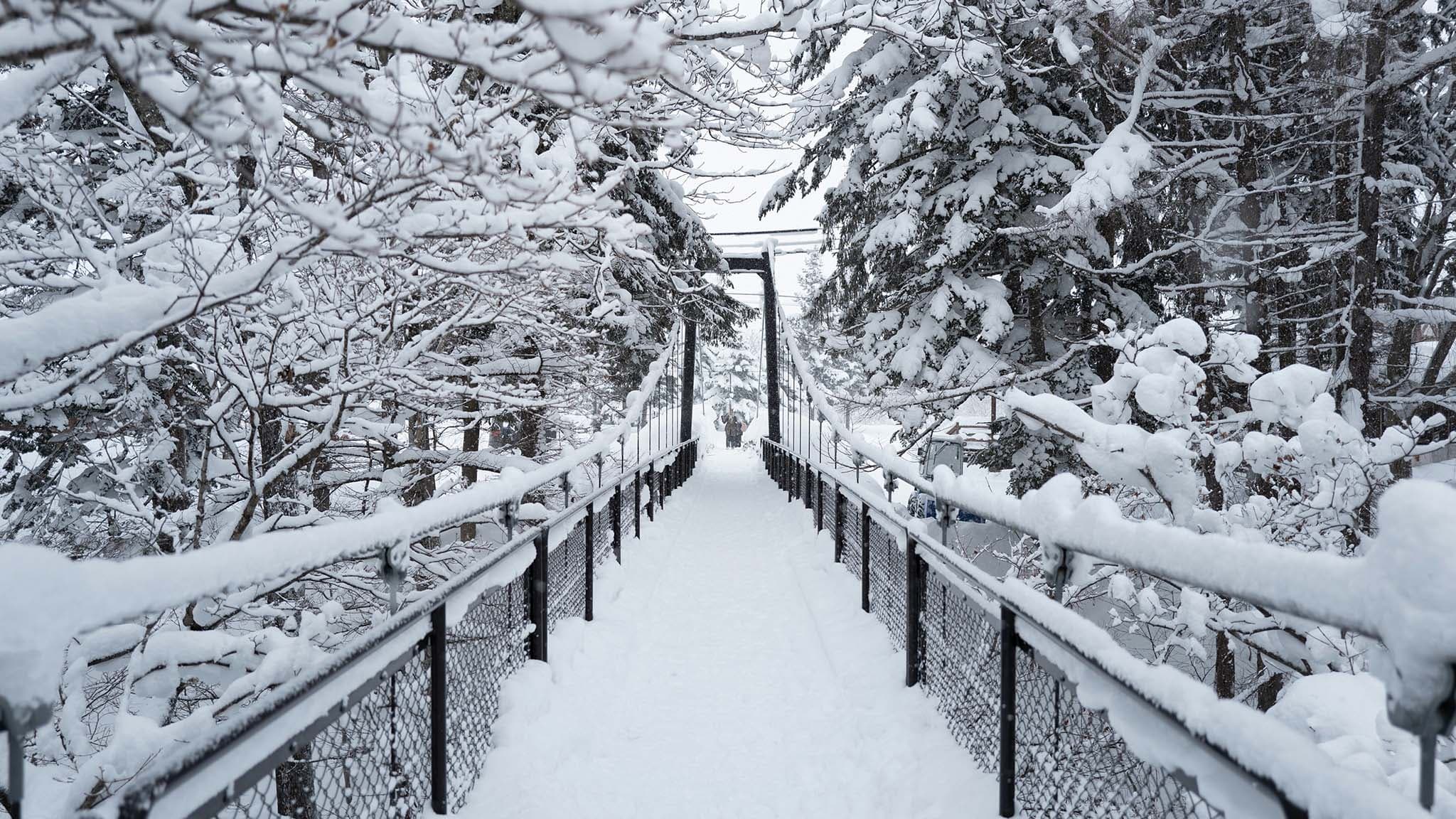
Niseko and Furano represent the two faces of Hokkaido's outdoor paradise. Niseko is a world-renowned ski resort famous for its legendary powder snow — some of the lightest, driest snow on earth draws skiers and snowboarders from across the globe each winter. In summer, the area transforms into an adventure playground with rafting, hiking, and cycling. Furano, meanwhile, is Hokkaido's flower capital — its rolling lavender fields burst into purple waves every July, creating one of Japan's most photographed summer landscapes. Nearby Biei adds surreal beauty with the luminous Blue Pond and patchwork hills.
Odaiba
Odaiba is a futuristic entertainment district built on reclaimed land in Tokyo Bay. With the Rainbow Bridge and a replica Statue of Liberty framing the waterfront, the area feels distinctly different from the rest of Tokyo. Highlights include teamLab's immersive digital art museum, the life-sized Unicorn Gundam statue at DiverCity Tokyo, and the sandy shores of Odaiba Seaside Park offering stunning views of the Tokyo skyline. The ride across Rainbow Bridge on the Yurikamome automated train is an attraction in itself. Odaiba is especially magical at night, when the bridge, skyline, and waterfront come alive with lights.
Nagoya
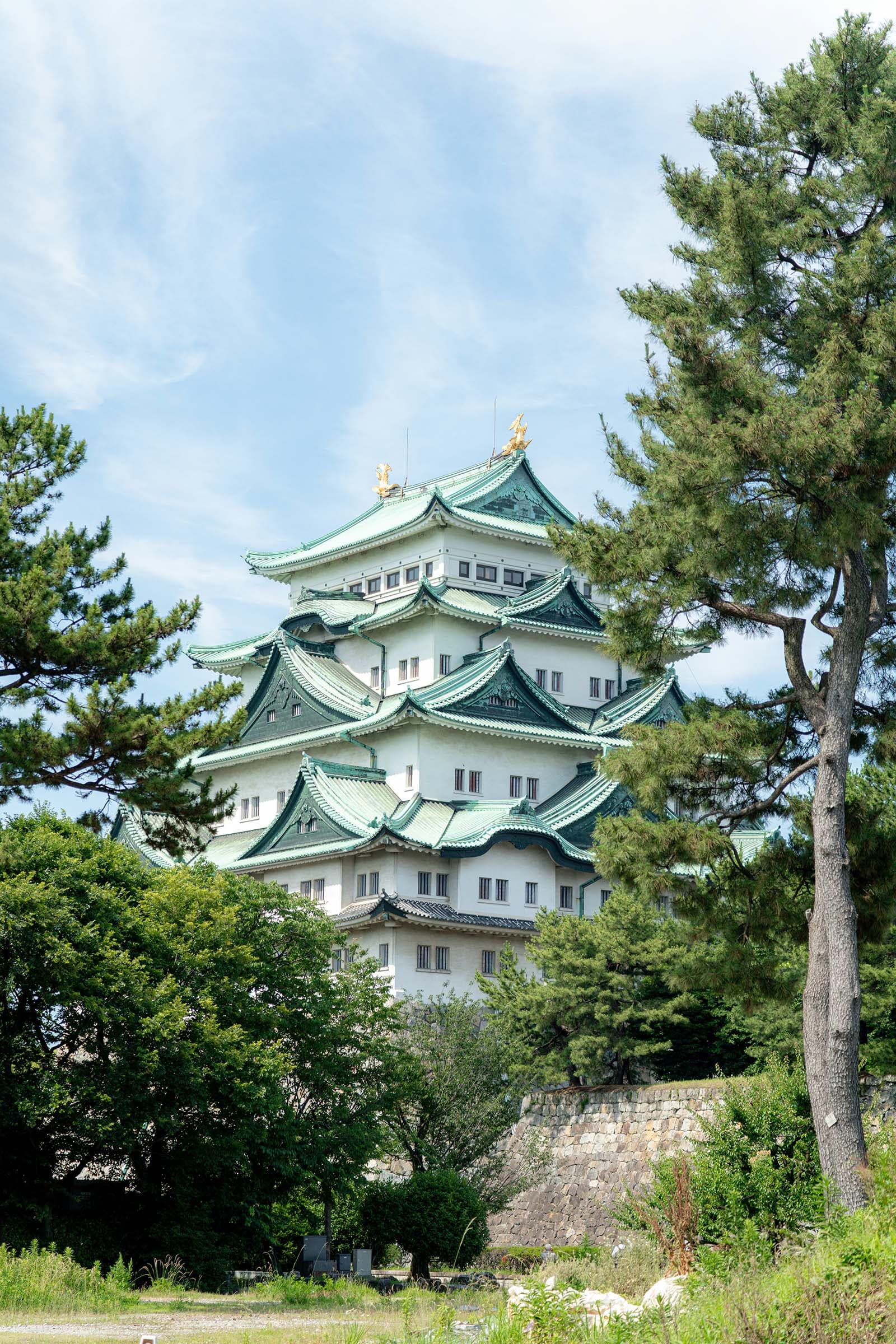
Central Japan's largest city and a major transport hub between Tokyo and Osaka. Nagoya is famous for its reconstructed castle with golden shachihoko, the deeply sacred Atsuta Shrine, and a one-of-a-kind food culture — think miso katsu, hitsumabushi eel, and tebasaki wings. The retro Osu shopping arcade and Toyota's industrial museum add layers of pop culture and innovation to an often-overlooked city that rewards curious visitors.
Kanazawa
Often called 'Little Kyoto,' Kanazawa is one of Japan's best-preserved Edo-era cities — it escaped wartime bombing and retains its samurai and geisha districts almost intact. Kenrokuen, ranked among Japan's three most beautiful gardens, is breathtaking in every season, from cherry blossoms to snow-laden pine branches. The Omicho Market overflows with fresh crab, sushi, and sea urchin from the Sea of Japan, while the Higashi Chaya district glitters with gold-leaf craft shops and traditional tea houses. Easily reached from Tokyo via the Hokuriku Shinkansen in about 2.5 hours.
Matsumoto & Kamikochi
A gateway to the Japanese Alps that pairs a striking black National Treasure castle with some of Japan's most dramatic mountain scenery. Matsumoto Castle, the oldest surviving five-tiered keep, stands against a backdrop of snow-capped peaks. From here, visitors can venture into Kamikochi, a pristine alpine valley of crystal-clear rivers and 3,000-meter peaks open from mid-April to mid-November. Nearby Jigokudani offers the surreal sight of wild snow monkeys soaking in hot springs. The area is ideal for hikers, nature lovers, and anyone seeking alpine Japan beyond the big cities.
Kinkaku-ji & Kitayama
The northern hills of Kyoto, home to three UNESCO World Heritage Sites that define Japanese aesthetics. Kinkaku-ji's gold-leaf pavilion reflected in its mirror pond is Kyoto's most iconic image, while Ryoan-ji's enigmatic rock garden distills Zen philosophy into 15 stones on white gravel. Nijo Castle rounds out the trio with nightingale floors and lavish Tokugawa-era painted chambers. This quieter corner of Kyoto — backed by the forested Kitayama mountains — rewards visitors with a contemplative atmosphere far removed from the crowded downtown temples.