Higashiyama
3 Spots
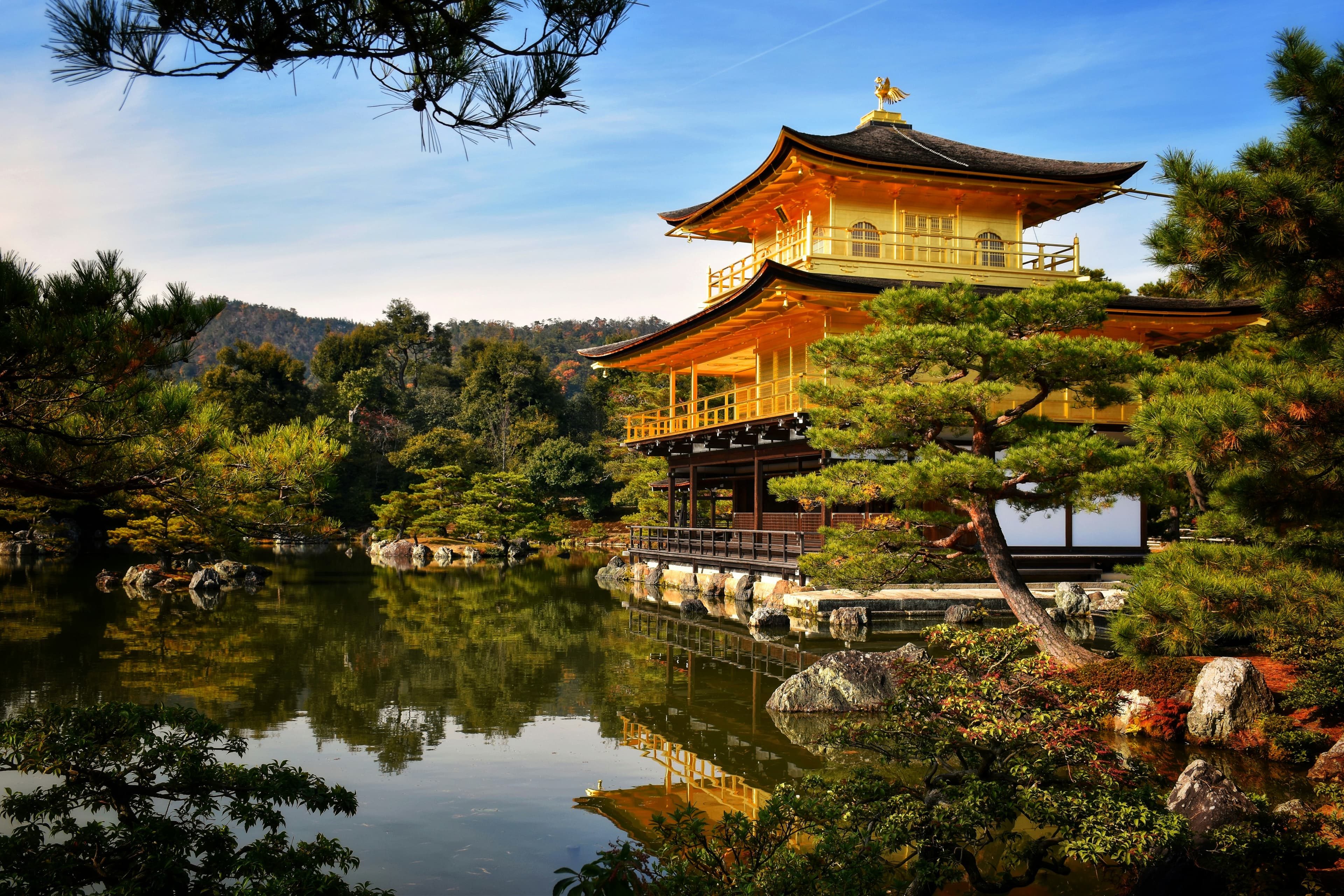
Higashiyama is Kyoto distilled to its purest essence. Climbing the cobbled slopes of Sannenzaka and Ninenzaka, past wooden shopfronts selling Kiyomizu-yaki ceramics and matcha sweets, feels like stepping through a portal into the Edo period. At the summit stands Kiyomizu-dera, its iconic wooden stage jutting over a hillside of cherry and maple trees — a UNESCO World Heritage site that has drawn pilgrims since the year 778.
The district rewards slow exploration. Wander south to the vermilion torii gates and moss-covered stone foxes of Fushimi Inari Taisha approach paths, or north through the serene grounds of Kodai-ji to the stone-paved Nene-no-Michi promenade. In every season — blossoms, summer greenery, autumn fire, or a dusting of winter snow — Higashiyama offers one of the most complete traditional Japanese landscapes you will find anywhere.
Info
Spot Rankings
Spots in this Area

Kiyomizu-dera Temple
Perched on the forested hillside of eastern Kyoto, Kiyomizu-dera seems to float above the city like a vision from a woodblock print. Its massive wooden stage, built without a single nail, juts dramatically over a ravine carpeted with cherry and maple. For over a millennium, pilgrims have sipped from the Otowa Waterfall below, each stream promising a different blessing.

Ninenzaka & Sannenzaka
These winding stone-paved lanes cascade down Higashiyama's slopes like steps through time itself. Preserved wooden machiya line the path, their latticed facades hiding artisan shops, matcha cafes, and century-old sweet shops. In spring, cascading cherry blossoms create pink tunnels; in autumn, the lanes glow with crimson maple. Superstition says stumbling on Sannenzaka brings three years of bad luck — so tread carefully.
Fushimi Inari Shrine
Ten thousand vermillion torii gates march up the sacred Mount Inari, creating a mesmerizing corridor between the human world and the divine. This living shrine to the fox deity of prosperity has drawn merchants and dreamers since 711 AD. As you ascend through tunnels of blazing orange, the city noise fades and birdsong takes over — the mountain itself becomes the temple.