Areas
Explore Japan's Iconic Destinations
Asakusa
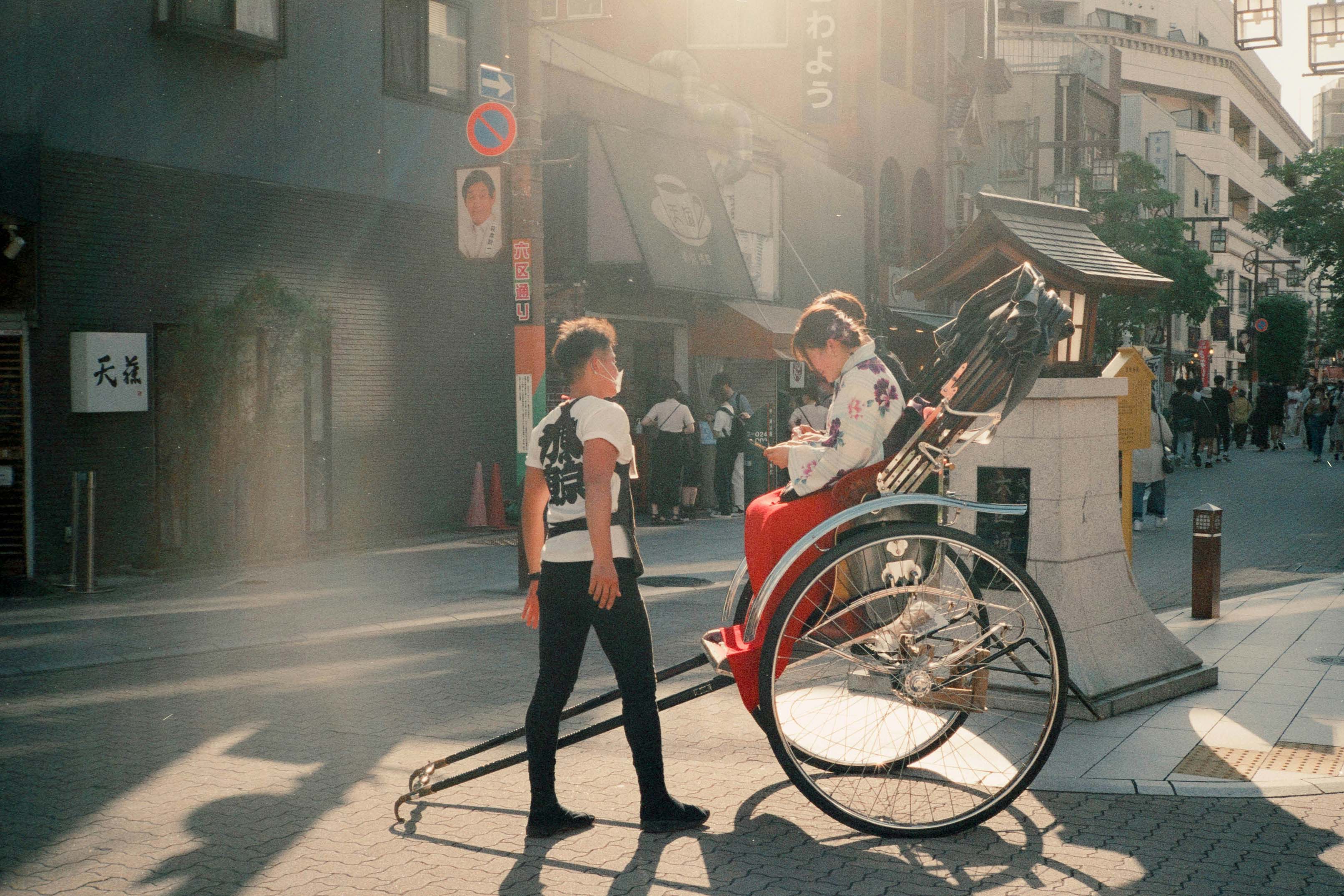
Asakusa is where Tokyo's beating heart meets its ancient soul. The thunderous Kaminarimon gate and its giant crimson lantern have welcomed visitors for centuries, drawing them down the bustling Nakamise-dori shopping street toward the magnificent Senso-ji, Tokyo's oldest Buddhist temple. Incense smoke drifts across the courtyard as pilgrims and travellers pause to pray beneath the soaring five-story pagoda. Beyond the temple grounds, Asakusa reveals layer upon layer of old-town charm — rickshaw rides along quiet backstreets, artisan workshops crafting traditional knives and woodblock prints, and riverside promenades offering postcard-perfect views of Tokyo Skytree across the Sumida River. In the evening, the temple and pagoda glow under golden illumination, casting a spell that few visitors forget.

Shibuya
Shibuya is Tokyo at its most electrifying. Every few minutes, the world's busiest pedestrian crossing erupts as thousands surge across the iconic Scramble Crossing beneath a canyon of luminous billboards. The faithful bronze statue of Hachiko stands watch at the station plaza, one of the city's most beloved meeting points. Yet Shibuya is far more than its famous intersection. The back streets of Nonbeiyokocho harbour intimate izakayas, while Shibuya Stream and Miyashita Park have reimagined the district with open-air terraces, boutique shops, and rooftop green spaces. From cutting-edge fashion in the 109 building to the creative energy of the surrounding Harajuku and Daikanyama neighbourhoods, Shibuya remains the relentless engine of Japanese youth culture.
Shinjuku
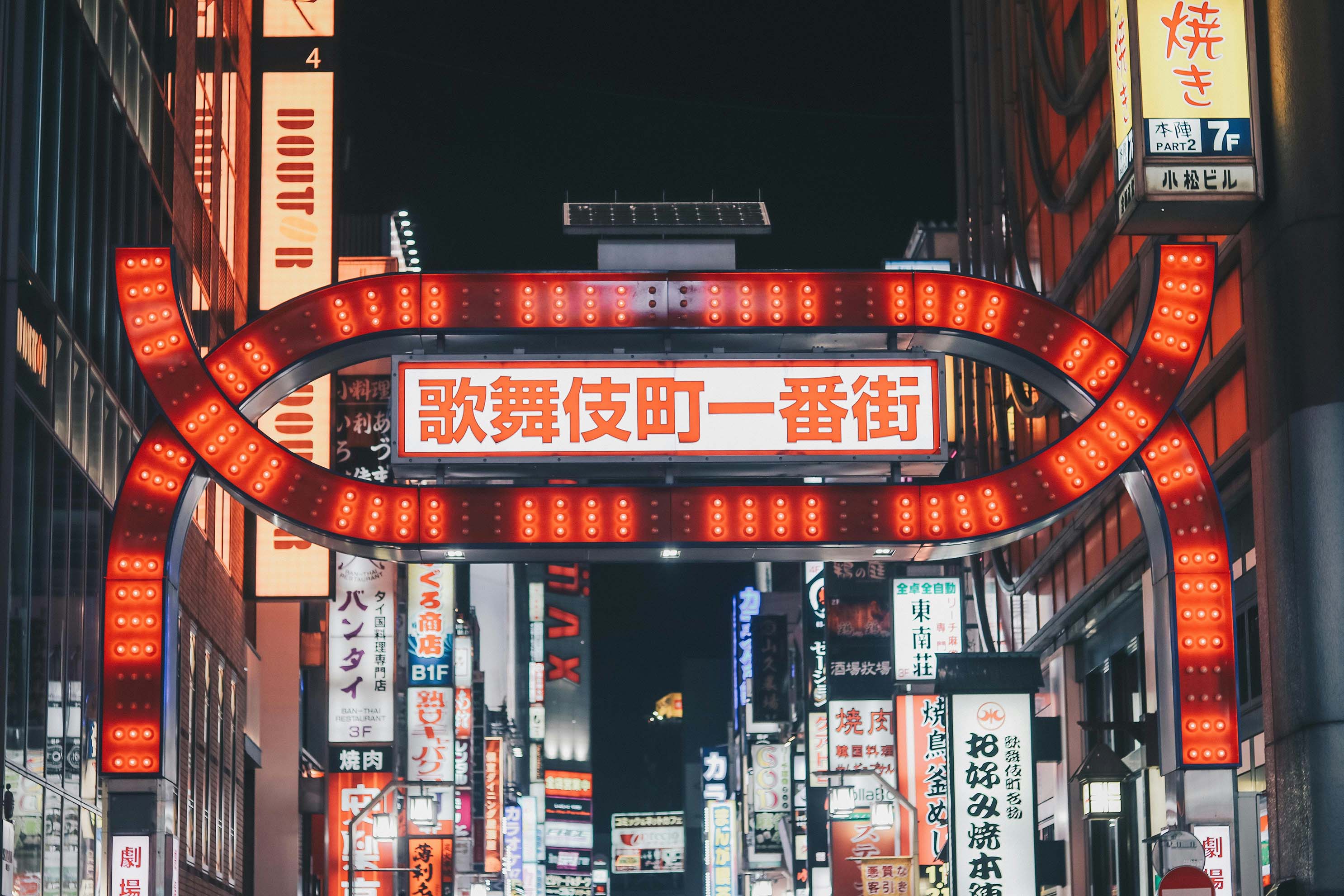
Shinjuku is a district of staggering contrasts. Its western skyline bristles with corporate towers — including the Tokyo Metropolitan Government Building, whose free 45th-floor observatory delivers panoramic city views — while just minutes away, the riotous lanes of Kabukicho blaze with neon and nightlife. Between these extremes lies Shinjuku Gyoen, one of Tokyo's most exquisite gardens, where cherry blossoms, French-formal hedgerows, and a traditional Japanese landscape merge across 58 hectares. After dark, the district reveals yet another face. The miniature alleys of Golden Gai, barely wide enough for two people to pass, house over 200 intimate bars across six narrow lanes. Each seats fewer than a dozen guests, and every door opens onto a different world — jazz, cinema, punk rock, or simply warm conversation with a master bartender.

Akihabara
Akihabara pulses with an energy found nowhere else on earth. Once a postwar black market for radio parts, this district evolved into the global capital of otaku culture, where multi-story electronics emporiums stand alongside anime mega-stores and maid cafés. Wander through Radio Kaikan and Mandarake Complex to discover floors upon floors of figurines, vintage games, and rare collectibles. Beyond the neon-drenched main strip, quieter side streets reward the curious with specialist shops for audiophile equipment, mechanical keyboards, and electronic components. On Sundays, Chuo Dori closes to traffic and transforms into a lively pedestrian boulevard — the perfect moment to absorb the district's singular atmosphere.

Tsukiji & Toyosu
This twin district tells the story of Tokyo's enduring love affair with the sea. The Toyosu Market, a gleaming modern facility on a man-made island, now hosts the world's largest wholesale fish auction — visitors can watch the famed tuna bidding through panoramic observation windows without disturbing the action below. Meanwhile, the original Tsukiji Outer Market thrives as an open-air food paradise, its narrow lanes packed with over 400 stalls and small restaurants. From impossibly fresh sashimi and plump tamagoyaki to grilled scallops eaten standing at the counter, every visit becomes a culinary pilgrimage. Arrive early in the morning when the vendors are at their liveliest and the ingredients are at their peak — this is where Tokyo's top chefs source the fish that will grace the city's finest tables by evening.
Ueno
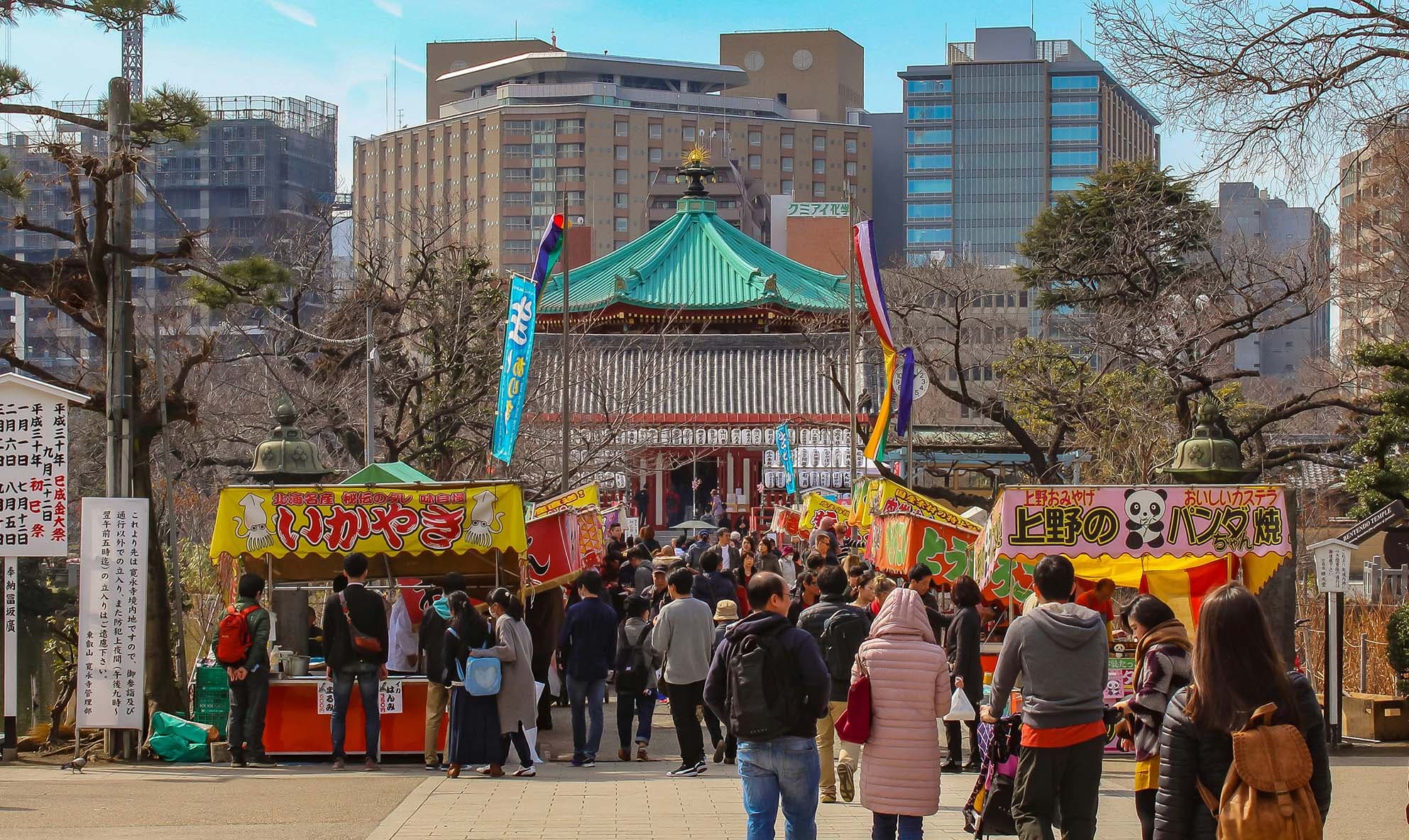
Ueno is Tokyo's cultural powerhouse — a district where world-class museums, a sprawling urban park, and one of the city's liveliest street markets coexist in a uniquely layered atmosphere. Ueno Park, established in 1873 as Japan's first public park, shelters the Tokyo National Museum, the National Museum of Western Art (a Le Corbusier UNESCO site), a zoo, temples, and a shinobazu pond covered in lotus blossoms each summer. Just south of the park, the bustling Ameyoko market stretches beneath the JR tracks — a sensory avalanche of fresh seafood, dried goods, discount cosmetics, and street food where vendors call out in rapid-fire Japanese. Ueno retains the energy of old shitamachi Tokyo, making it one of the most authentic and rewarding areas to explore on foot.
Odaiba
Odaiba is a futuristic entertainment district built on reclaimed land in Tokyo Bay. With the Rainbow Bridge and a replica Statue of Liberty framing the waterfront, the area feels distinctly different from the rest of Tokyo. Highlights include teamLab's immersive digital art museum, the life-sized Unicorn Gundam statue at DiverCity Tokyo, and the sandy shores of Odaiba Seaside Park offering stunning views of the Tokyo skyline. The ride across Rainbow Bridge on the Yurikamome automated train is an attraction in itself. Odaiba is especially magical at night, when the bridge, skyline, and waterfront come alive with lights.