Ueno
4 Spots
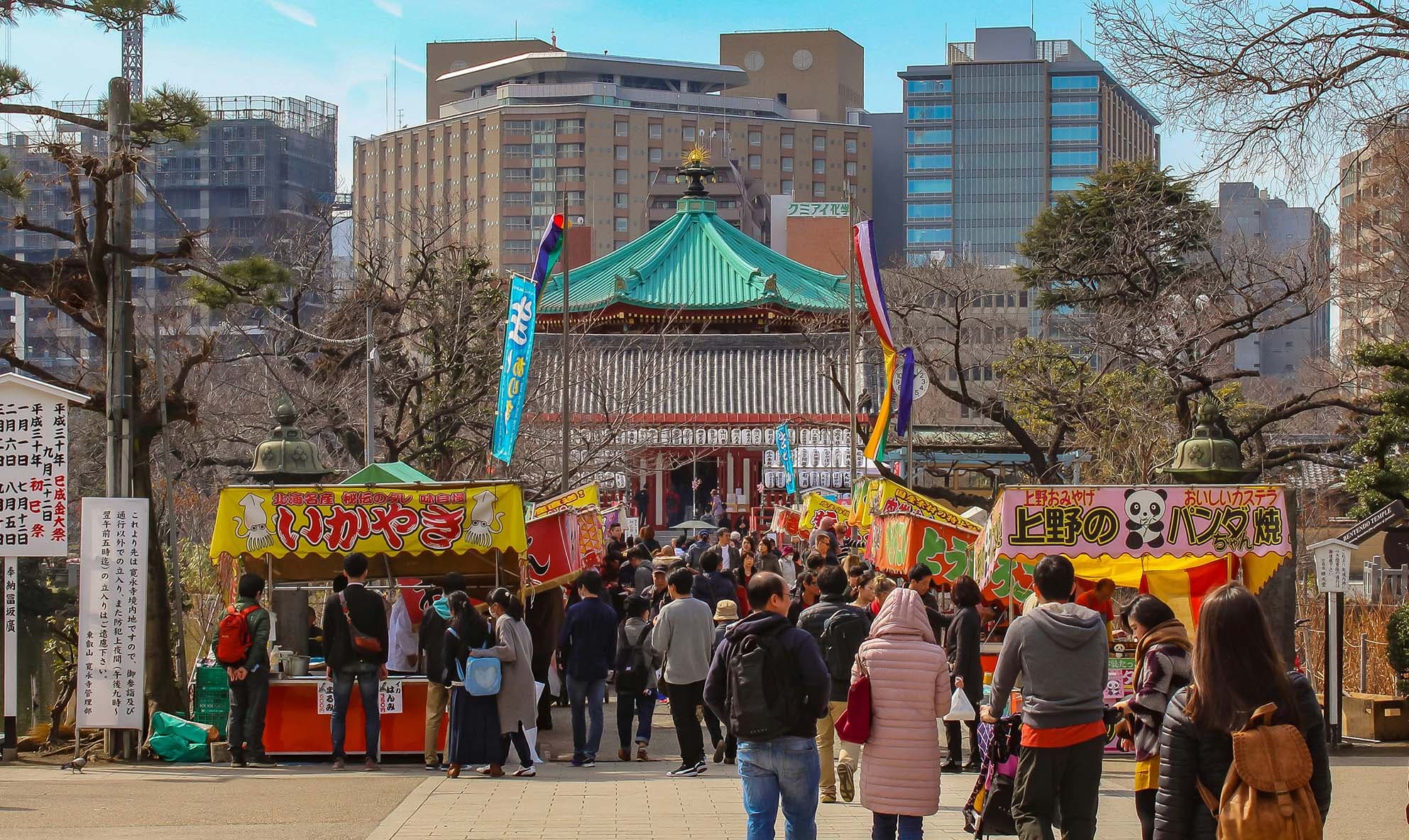
Ueno is Tokyo's cultural powerhouse — a district where world-class museums, a sprawling urban park, and one of the city's liveliest street markets coexist in a uniquely layered atmosphere. Ueno Park, established in 1873 as Japan's first public park, shelters the Tokyo National Museum, the National Museum of Western Art (a Le Corbusier UNESCO site), a zoo, temples, and a shinobazu pond covered in lotus blossoms each summer.
Just south of the park, the bustling Ameyoko market stretches beneath the JR tracks — a sensory avalanche of fresh seafood, dried goods, discount cosmetics, and street food where vendors call out in rapid-fire Japanese. Ueno retains the energy of old shitamachi Tokyo, making it one of the most authentic and rewarding areas to explore on foot.
Info
Spot Rankings
Spots in this Area
Tokyo National Museum
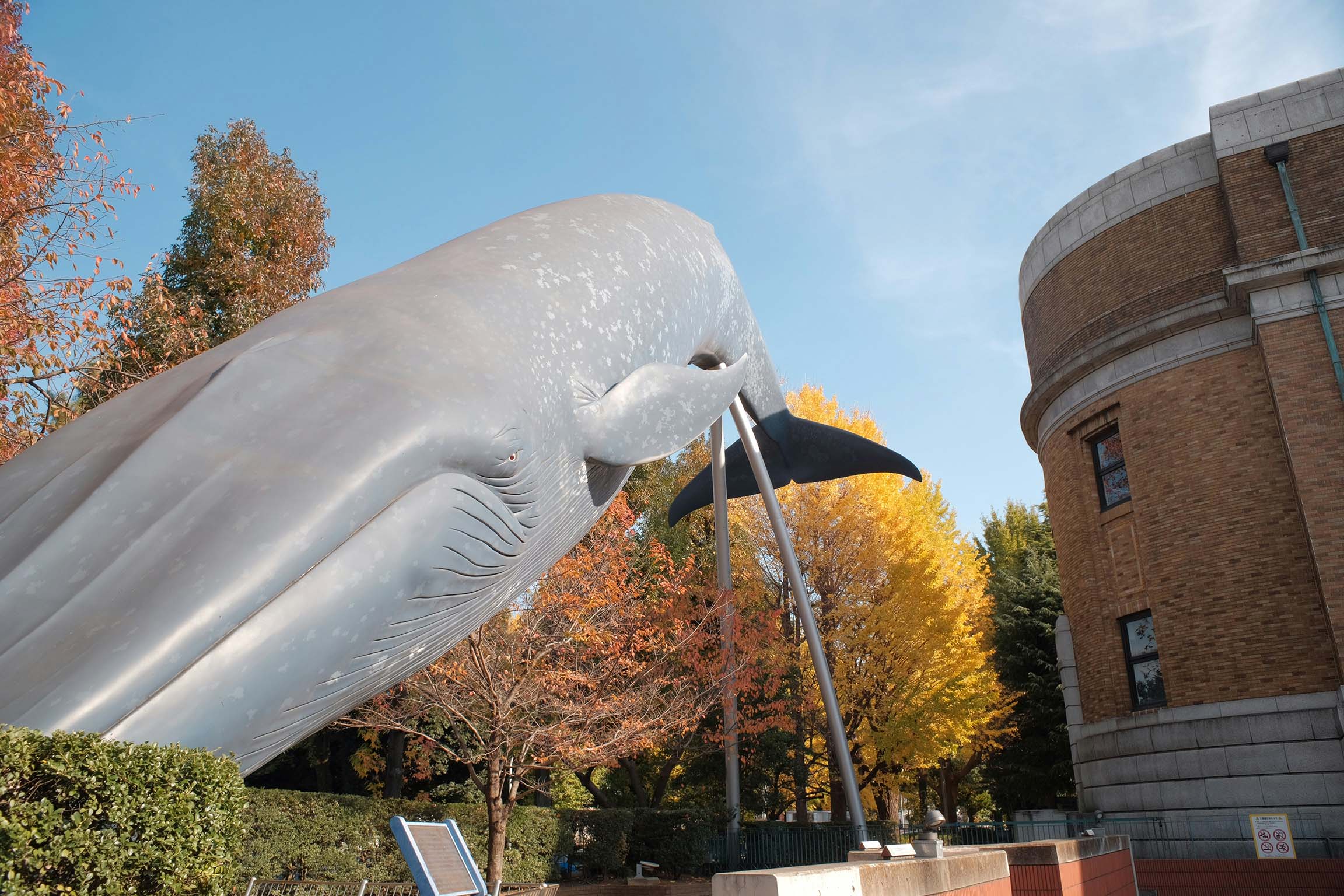
The Tokyo National Museum is Japan's oldest and largest museum, housing over 110,000 objects spanning millennia of Japanese and Asian art — from Jomon-period pottery and samurai armour to ukiyo-e woodblock prints and National Treasure swords. The main Honkan building showcases Japanese art chronologically, while the Toyokan wing covers art from across Asia. The museum campus itself is a visual journey through architectural eras: the Imperial Crown-style Honkan (1937), the modernist Toyokan, and the sleek Heisei-kan for special exhibitions. In spring, the museum opens its garden for cherry-blossom viewing, revealing a hidden grove of mature trees reflected in a traditional pond — one of Tokyo's most exclusive hanami experiences.
Ueno Park
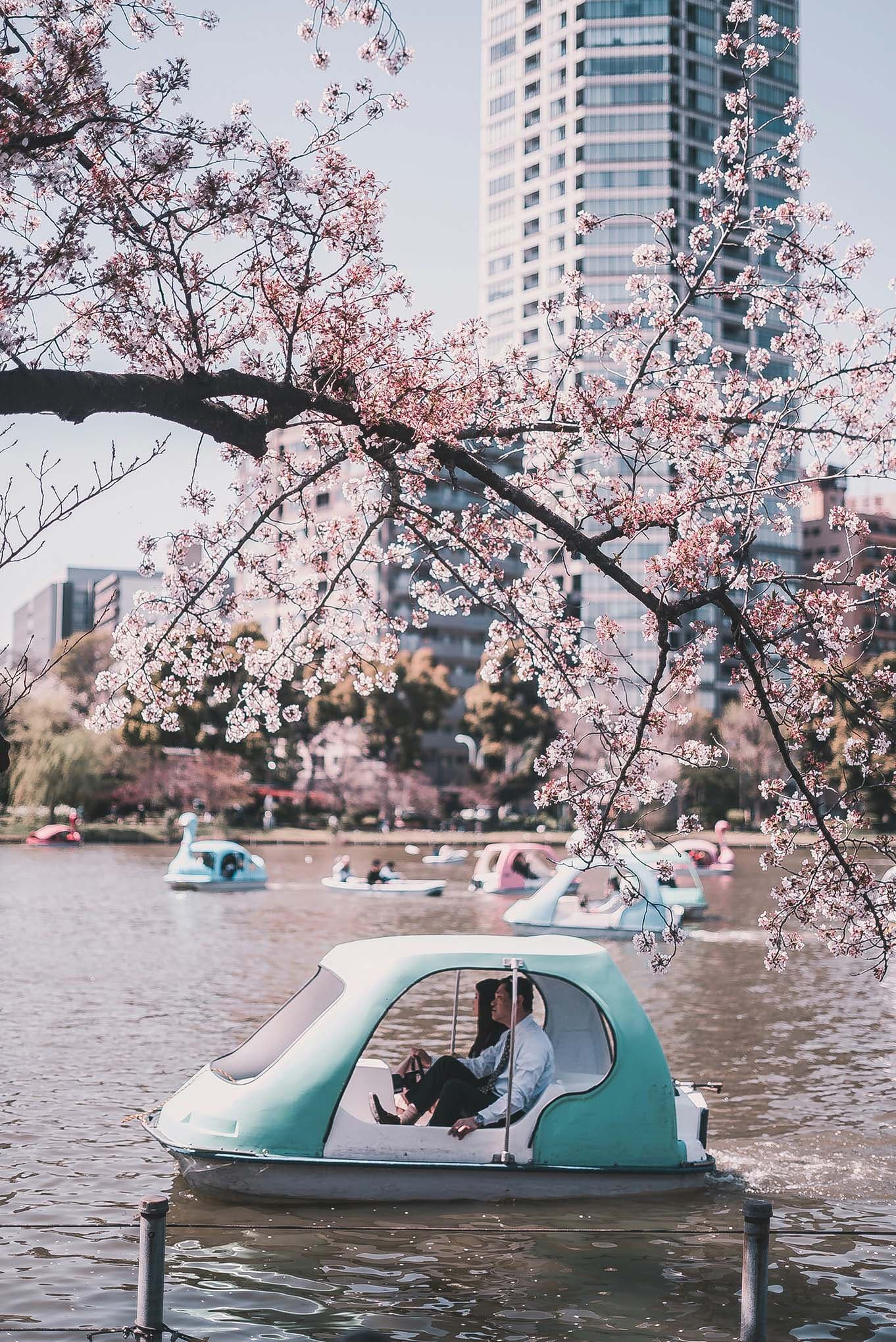
Ueno Park is a vast green oasis in the heart of Tokyo, home to over 1,000 cherry trees that make it one of the city's most beloved hanami destinations each spring. Established in 1873, the park grounds once belonged to Kan'ei-ji Temple and retain a peaceful, almost rural atmosphere that belies their central location. Beyond the blossoms, the park shelters an impressive cluster of cultural institutions — five major museums, a concert hall, Shinobazu Pond with its floating lotus garden, and the charming Bentendo Temple perched on an island in the middle of the pond. Boat rentals on the pond offer a leisurely perspective, and street performers often enliven the central promenade.
Ameyoko Market
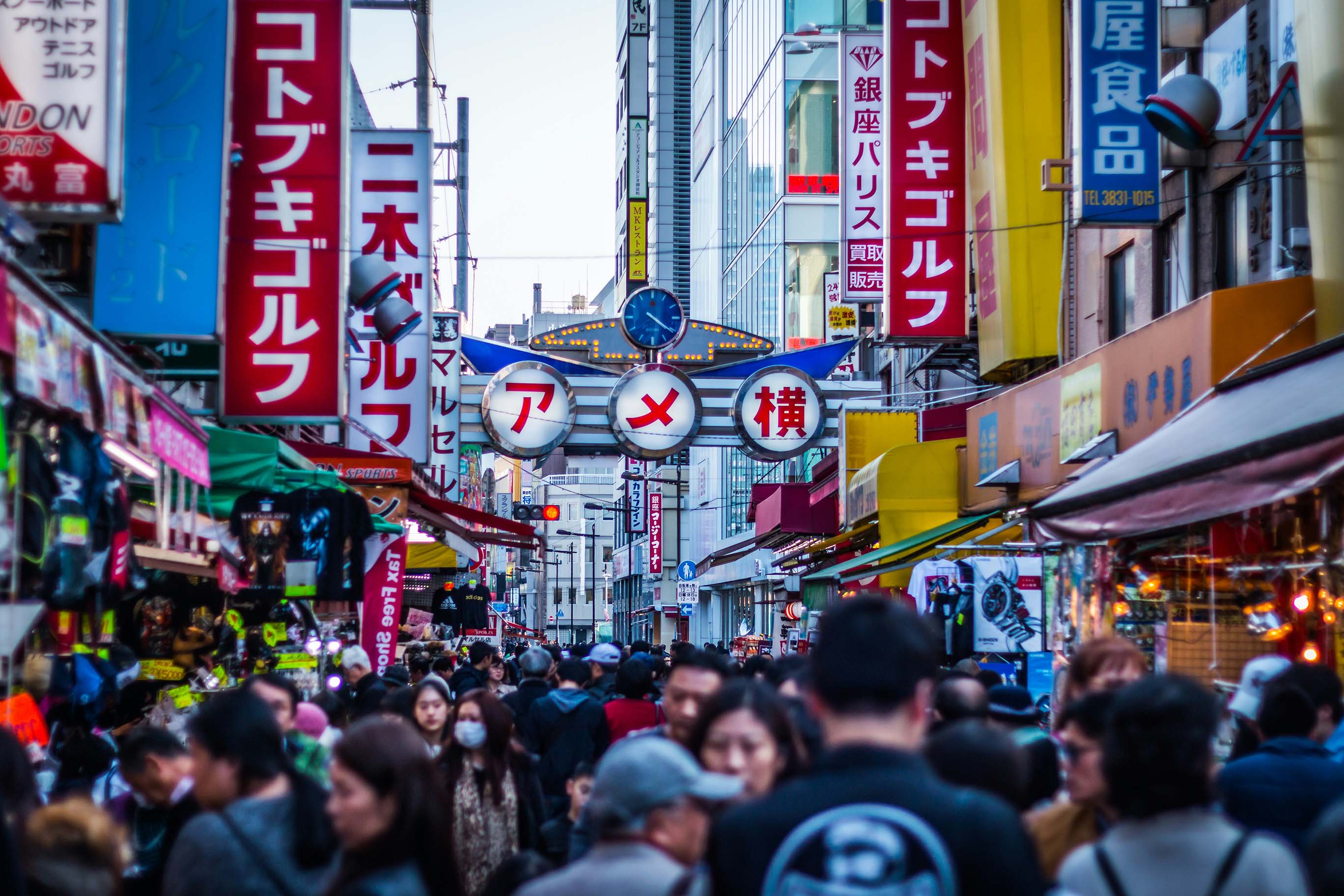
Ameyoko (short for "Ameya Yokocho") is a raucous, open-air market that has thrived beneath the JR elevated tracks between Ueno and Okachimachi stations since the postwar black-market era. Today over 400 shops pack this narrow alley with everything from fresh seafood and exotic fruits to discount sneakers, military surplus, and spices from around the world. The market's true magic is its atmosphere: vendors hawk their wares with theatrical enthusiasm, piling increasingly generous portions of fish roe or dried squid as prices drop toward closing time. Sample grilled scallops, fresh fruit cups, and crispy kebabs as you navigate the crowd. December transforms Ameyoko into a frenzied year-end market where Tokyoites stock up for New Year's feasts.
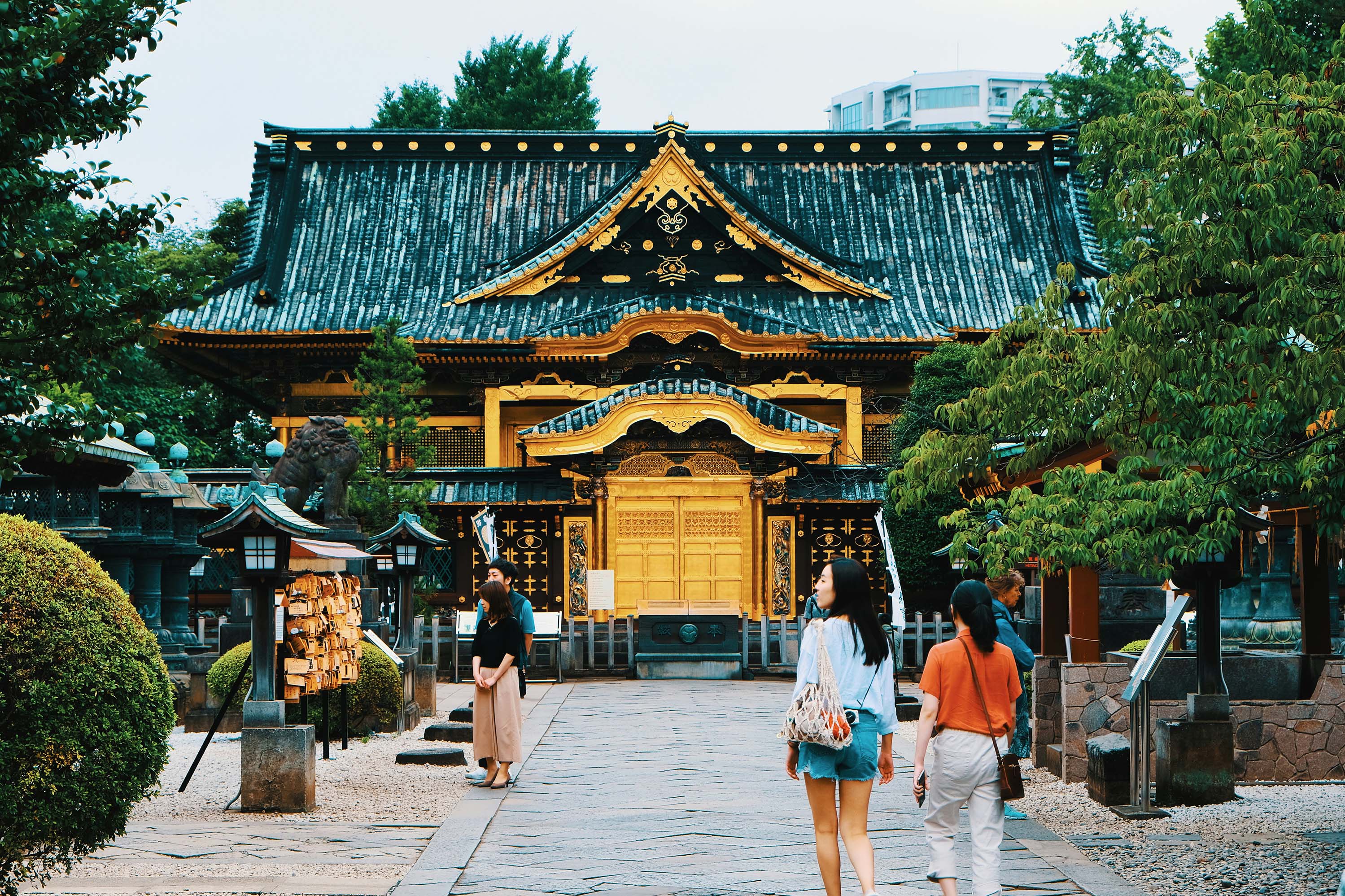
Ueno Toshogu Shrine
Ueno Toshogu is a dazzling Edo-era shrine dedicated to Tokugawa Ieyasu, the founder of the Tokugawa shogunate. Built in 1627 and miraculously surviving war, earthquakes, and fires, it is one of the few original Edo-period structures remaining in Tokyo. The shrine's gold-leaf-covered main hall gleams through a corridor of 200 stone and 48 bronze lanterns, donated by feudal lords as displays of loyalty. The peony garden adjacent to the shrine bursts with over 500 varieties in spring (January-February for winter peonies, April-May for spring blooms), offering a rare splash of colour even in the coldest months. Combine with a walk through Ueno Park for a perfect morning that spans centuries of Tokyo history.