Hiroshima & Miyajima
4 Spots
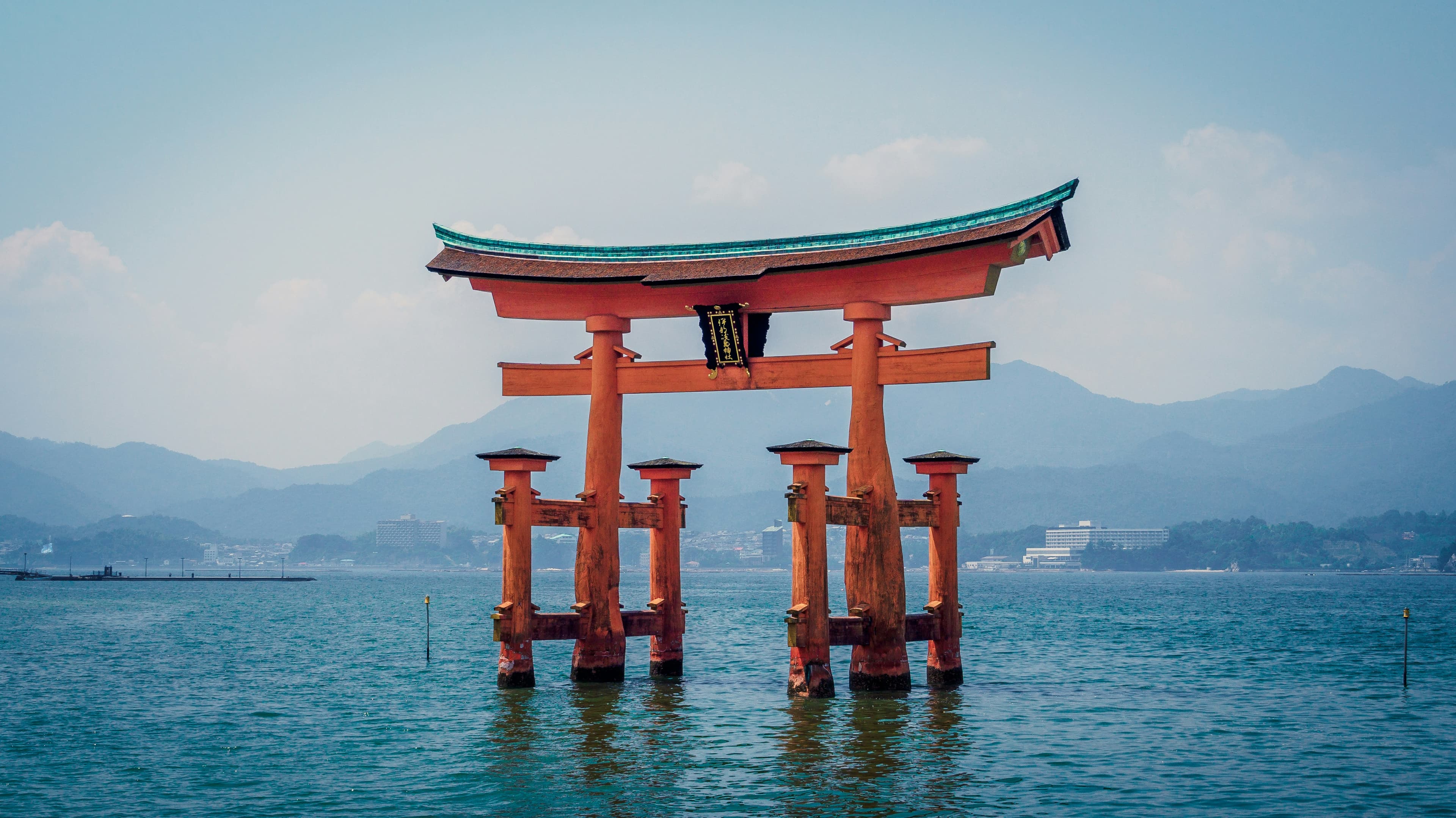
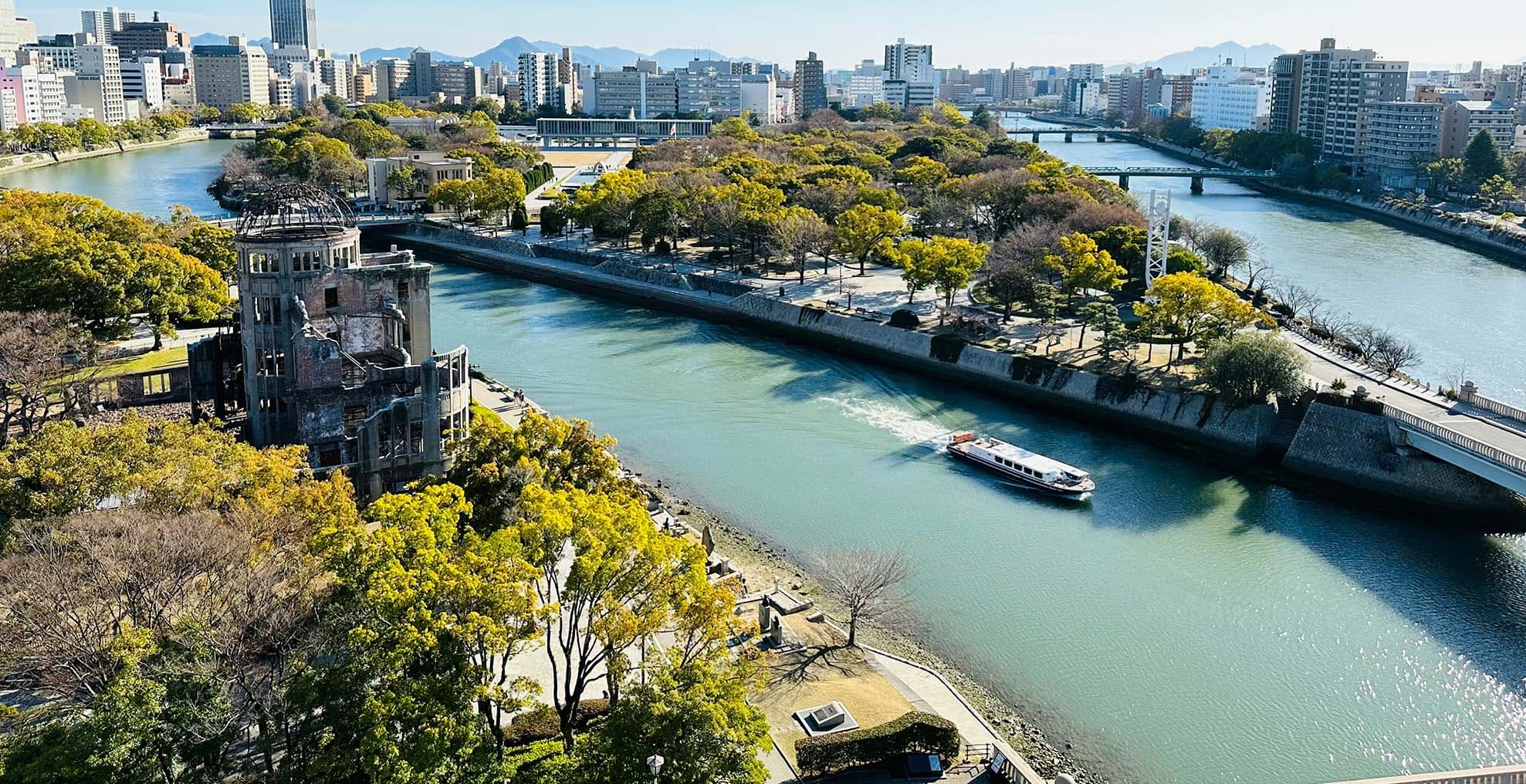
Hiroshima is known worldwide as a symbol of peace — the Atomic Bomb Dome and Peace Memorial Park stand as powerful reminders of August 6, 1945, while the city itself has been reborn as a vibrant, forward-looking metropolis famous for its signature Hiroshima-style okonomiyaki. A short ferry ride away, Miyajima Island enchants visitors with the iconic vermilion torii gate of Itsukushima Shrine appearing to float on the sea at high tide. Together, Hiroshima and Miyajima offer a profound blend of history, spirituality, nature, and cuisine that makes this one of Japan's most essential destinations.
Info
Spot Rankings
Spots in this Area
Peace Memorial Park
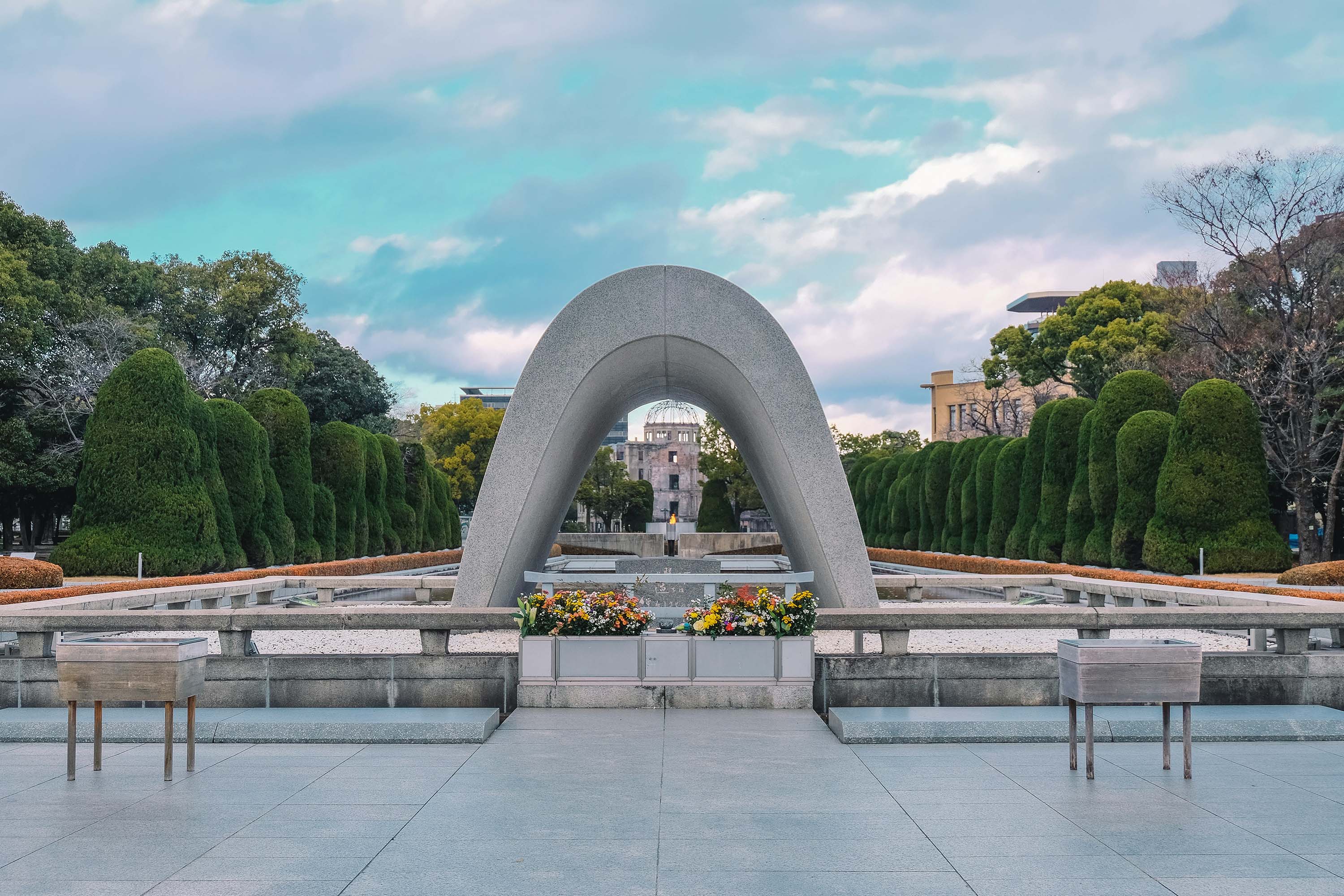
Peace Memorial Park is a 120,000 m² park built near the hypocentre of the world's first atomic bombing on August 6, 1945. The Peace Memorial Museum displays artifacts and testimonies of survivors (hibakusha), conveying the devastation of nuclear weapons with quiet but immense power. Throughout the park stand the Cenotaph for A-Bomb Victims, the Flame of Peace (which will burn until all nuclear weapons are eliminated), and the Children's Peace Monument inspired by Sadako Sasaki's paper cranes. Watching visitors lay flowers and fold paper cranes is a profoundly moving experience that connects past tragedy to hope for a peaceful future.
Atomic Bomb Dome
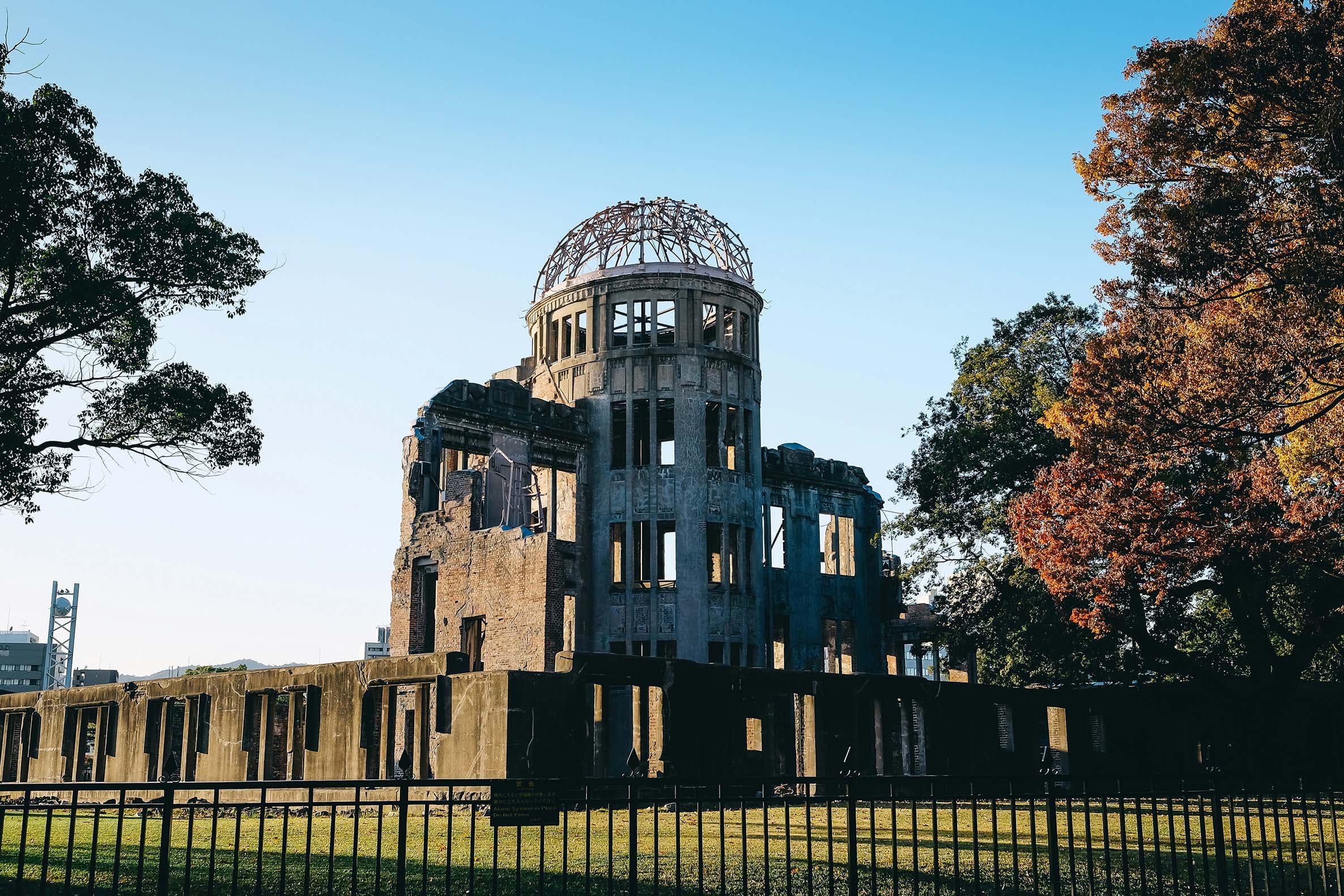
The Atomic Bomb Dome (Genbaku Dome) is the skeletal ruin of the former Hiroshima Prefectural Industrial Promotion Hall, which miraculously remained standing just 160 metres from the hypocentre of the atomic blast. Designated a UNESCO World Heritage Site in 1996, it is preserved as the world's most powerful symbol of nuclear devastation. The exposed steel frame of the dome's roof against the sky has become universally recognised as an icon of peace. At night, subtle lighting gives the ruin a solemn beauty, and its reflection in the Motoyasu River creates an unforgettable scene.
Itsukushima Shrine
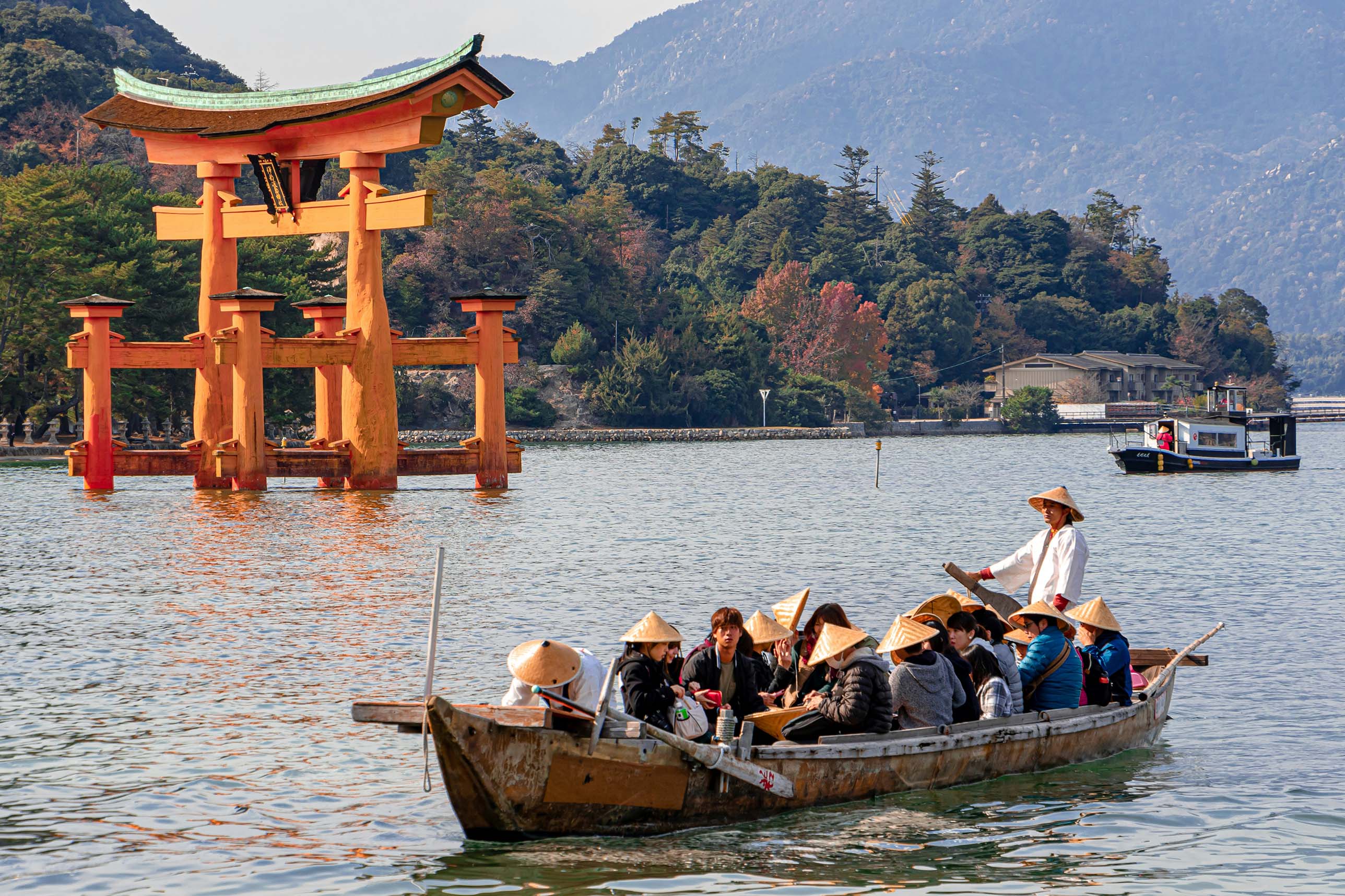
Itsukushima Shrine is a UNESCO World Heritage Shinto shrine dating from 593 CE, rebuilt in its current grand form by Taira no Kiyomori in 1168. At high tide, the vermilion shrine buildings and the 16-metre-tall Great Torii Gate appear to float on the Seto Inland Sea, creating one of Japan's most iconic and photographed scenes. At low tide, you can walk across the tidal flats to stand at the base of the massive gate. Behind the shrine, Mt. Misen (535m) is accessible by ropeway and rewards hikers with panoramic views of the island-dotted Inland Sea. The approach to the shrine is lined with shops selling the famous momiji manju (maple leaf cakes) and freshly grilled oysters.
Okonomimura
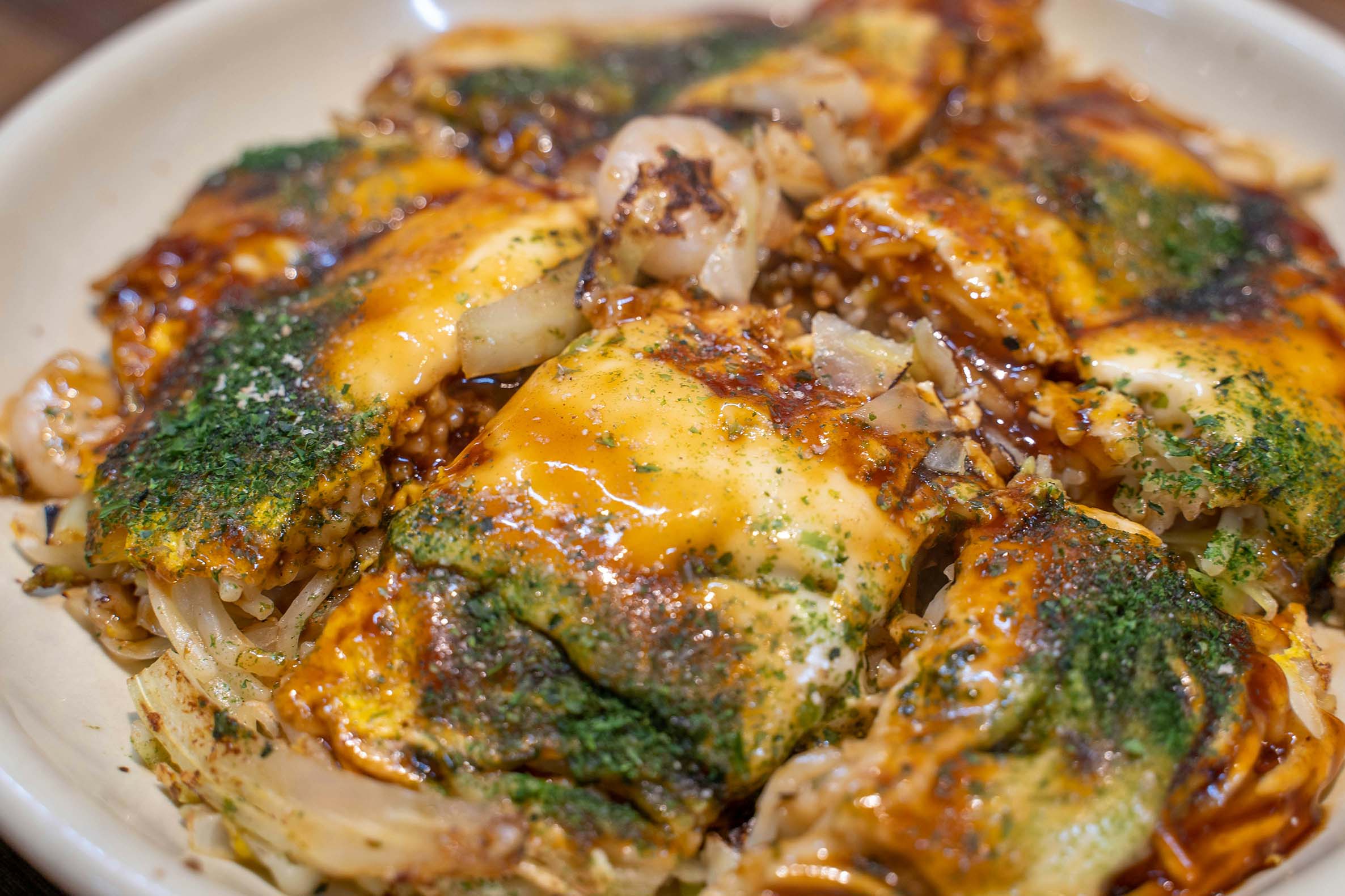
Okonomimura is a multi-story food hall in central Hiroshima housing about 20 okonomiyaki restaurants under one roof. Hiroshima-style okonomiyaki differs from the Osaka version — instead of mixing everything together, thin crêpe-like batter is layered with mountains of cabbage, bean sprouts, pork belly, and yakisoba noodles, then pressed on the griddle until crispy. Watch your meal being expertly assembled on the iron plate right before you, then eat it directly from the griddle with a spatula — the Hiroshima way. Each stall has its own character and loyal following. Ask locals for their favourite — friendly competition keeps quality high.